

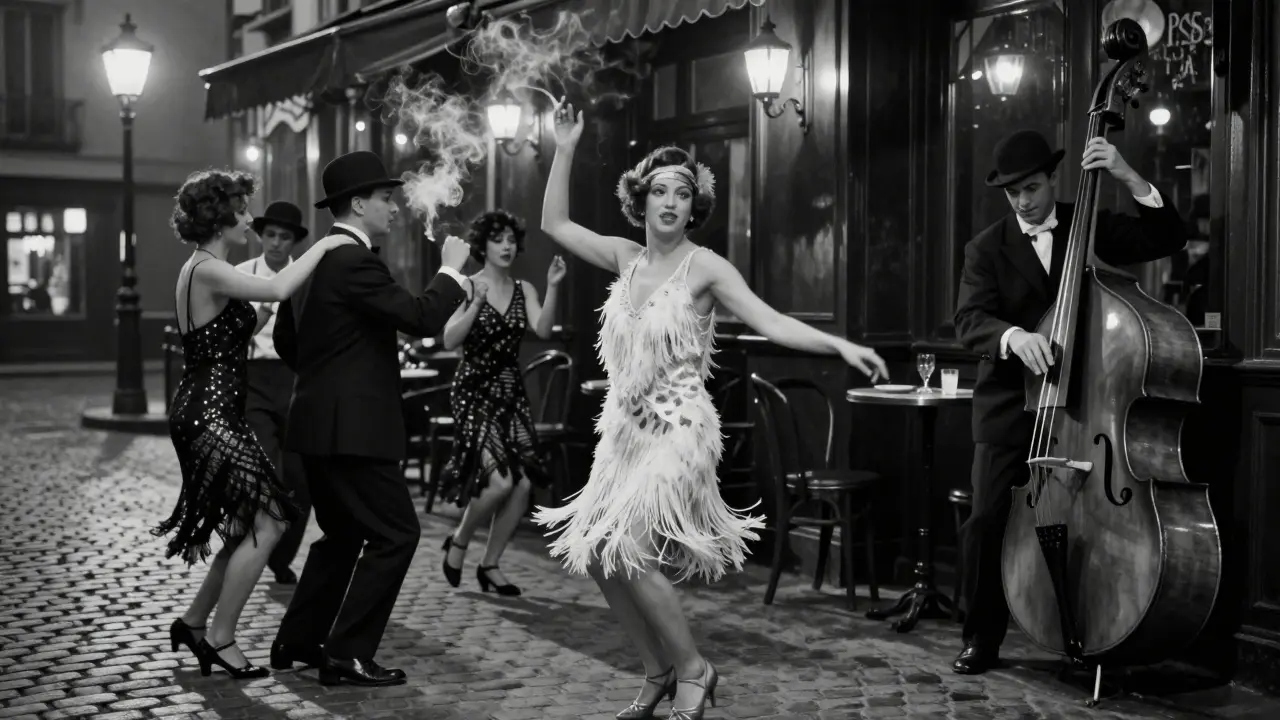

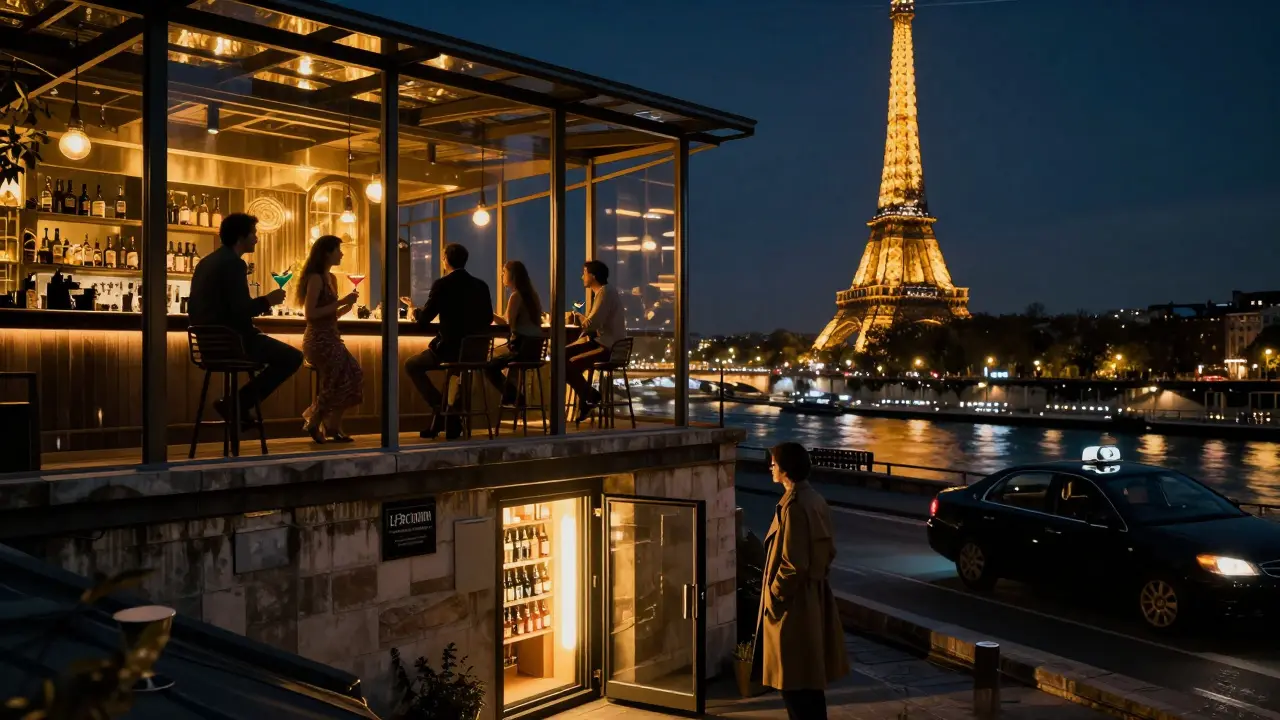
Paris wasn’t always about neon signs and DJ booths. A hundred years ago, the city’s nights were shaped by jazz clubs in Montmartre, poets sipping absinthe in dimly lit cafés, and cabarets where scandalous dance routines drew crowds from across Europe. Today, you can find a rooftop bar overlooking the Seine, a hidden speakeasy behind a refrigerator door, or a warehouse party in Saint-Ouen that doesn’t start until 2 a.m. The evolution of Paris nightlife isn’t just about new venues - it’s about changing identities, shifting rules, and a city that keeps reinventing itself after dark.
The Jazz Age and the Birth of Night Culture
In the 1920s, Paris became a magnet for artists, writers, and musicians fleeing Prohibition in the U.S. The city’s nightlife wasn’t just entertainment - it was rebellion. Places like Le Boeuf sur le Toit and Le Jockey became sanctuaries for Black American jazz musicians like Josephine Baker and Sidney Bechet. These weren’t tourist spots; they were cultural explosions. Women danced the Charleston in short skirts, men smoked in public, and the rules of the old world cracked open. The music was loud, the drinks were cheap, and the energy was electric. By the end of the decade, Paris had cemented its reputation as Europe’s most daring night city.
The Decline and the Quiet Years
After World War II, Paris changed. The city focused on rebuilding, not partying. The 1970s brought economic slowdowns, and nightlife shrank. Many historic clubs closed. The famous Tabou, once a hotspot for celebrities, became a shell. The 1980s and 1990s were quiet by comparison. Nightlife was mostly limited to a few established districts: Saint-Germain-des-Prés for intellectuals, Le Marais for lesbians and gay men, and the Latin Quarter for students. Outside these pockets, the city went to bed early. The French government enforced strict closing times - 3 a.m. for bars, 5 a.m. for clubs - and police patrols were common. People didn’t stay out late because they couldn’t.
The 2000s: The Rise of the Night Economy
Everything changed in the early 2000s. A new generation of entrepreneurs saw opportunity. They started small, converting old bookshops, laundromats, and garages into intimate bars. Le Perchoir, a rooftop bar in the 11th arrondissement, opened in 2011 and became a blueprint. It wasn’t just about drinks - it was about views, design, and atmosphere. The city noticed. In 2014, Paris lifted the 5 a.m. closing rule for clubs in designated zones. That year, the number of licensed night venues jumped by 37%. By 2018, Paris had over 1,200 registered nightlife spots. The city even launched a Night Mayor position - the first in Europe - to mediate between club owners, residents, and police.
Modern Paris: Where Old Meets New
Today, Paris nightlife isn’t one scene - it’s a dozen. In Le Marais, you’ll find Le Baron, where fashion influencers and indie musicians mix under chandeliers. In Belleville, basement clubs like La Station host underground techno sets with no cover charge. In the 13th arrondissement, Chinese-French fusion bars serve cocktails with lychee and Sichuan pepper. Meanwhile, the old guard still holds on: La Cigale plays live rock and punk, and Le Caveau de la Huchette still features swing jazz every night, just like it did in 1947.
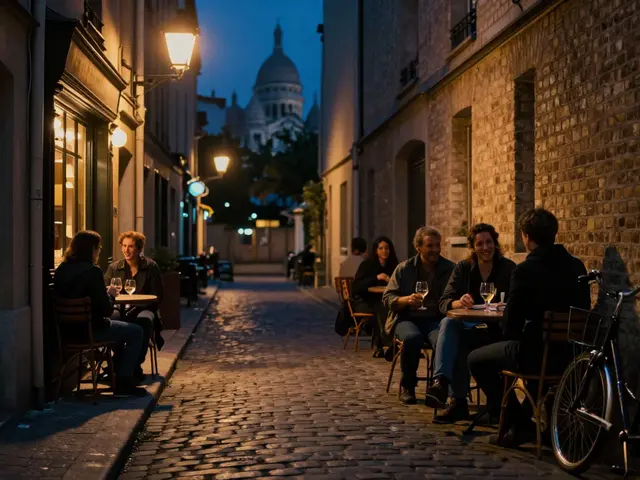
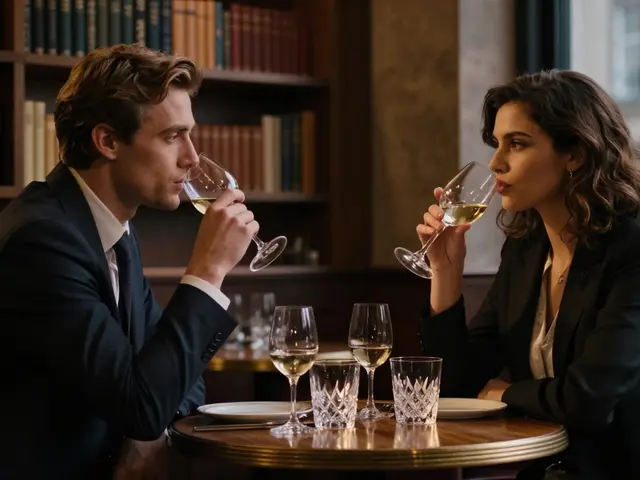
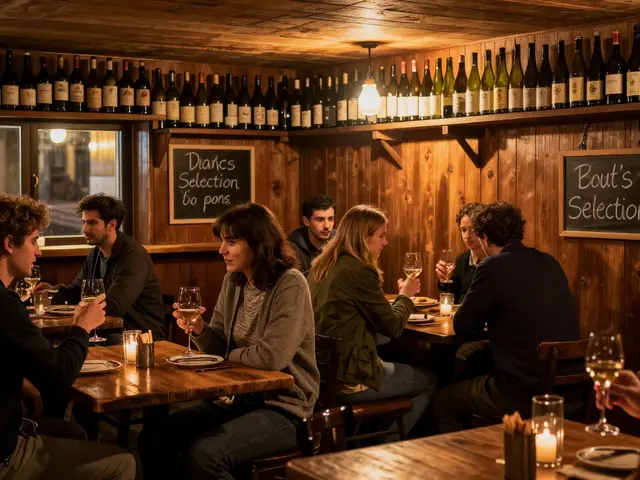
The city’s most surprising shift? The return of the café. In 2023, a survey by the Paris Tourism Office found that 68% of locals preferred ending their night at a quiet bar with a glass of wine over dancing until sunrise. That’s why places like Le Comptoir du Relais and Le Pereno are thriving - they offer late-night food, no music, and a place to talk. The nightlife isn’t just about noise anymore. It’s about connection.
The Rules Have Changed - And So Have the People
Paris nightlife today is shaped by three big forces: regulation, diversity, and digital culture. The city now has nighttime zoning - certain areas are designated for loud music, others for quiet drinking. This reduced complaints by 52% since 2019. Meanwhile, the crowd has diversified. In 2010, 80% of clubgoers were French. Today, it’s closer to 50%. Tourists from Brazil, Japan, and South Korea now make up a huge share. And social media? It’s everywhere. Instagrammable interiors, TikTok dance challenges, and viral cocktail recipes drive foot traffic faster than any ad campaign.
But here’s the real change: Parisians are no longer ashamed of staying out late. A decade ago, working late was seen as un-French. Now, it’s normal. Young professionals in their late 20s and 30s work flexible hours. They go out after dinner, not before. They don’t need to be drunk to enjoy a night. They just need good company and a decent playlist.
What’s Next? The Future of Paris Nights
Paris is experimenting. In 2025, the city piloted a 24-hour cultural corridor in the 10th arrondissement - a zone where bars, bookstores, and music venues stay open past midnight on weekends. Early results show a 40% increase in local spending. Startups are launching AI-powered nightlife apps that recommend venues based on your mood, not just your location. One app even tracks how many people are dancing versus just talking - and suggests places accordingly.
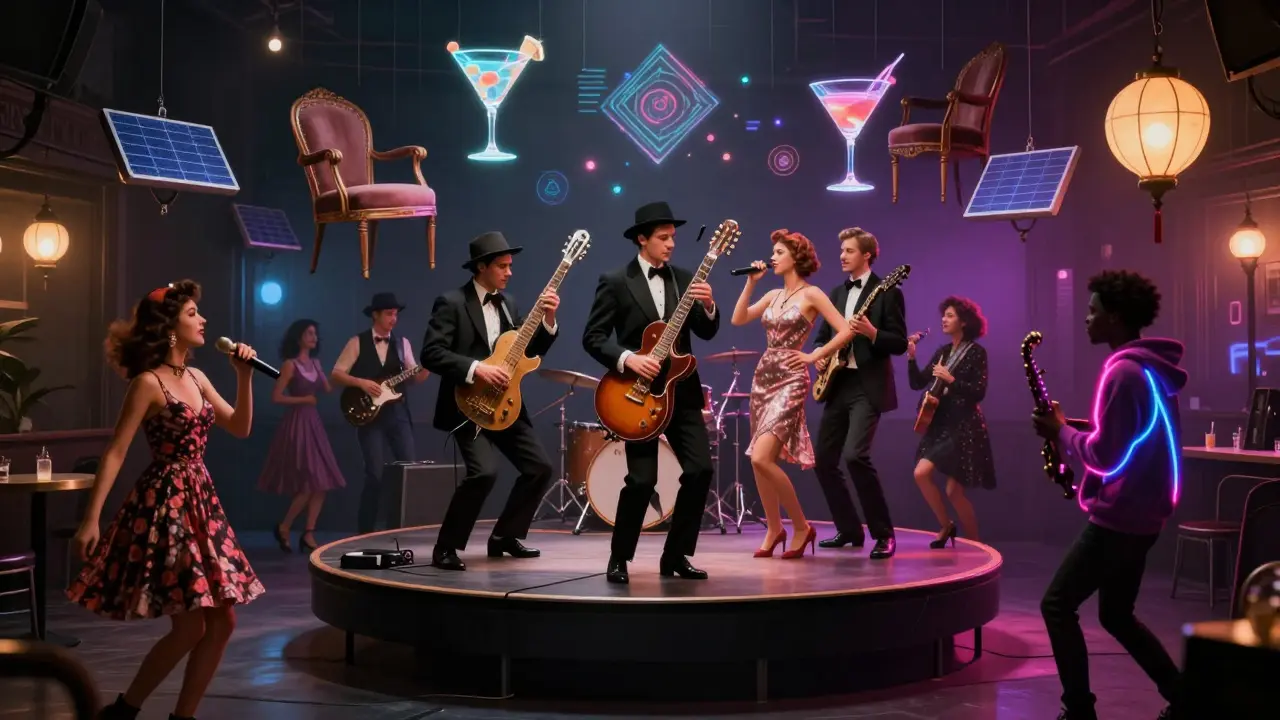
Meanwhile, sustainability is creeping in. Eco-conscious venues now use solar-powered lighting, compostable cups, and local spirits. La Poudrière, a vegan bar in the 18th, serves cocktails made from fermented beetroot and herbal liqueurs. It’s not just trendy - it’s a new kind of identity.
The future of Paris nightlife won’t be about how loud it gets. It’ll be about how deeply it connects. Whether you’re sipping a negroni at a 200-year-old bistro or dancing to a DJ from Senegal in a converted train station, the city still offers something no other place can: a sense that every night, you might stumble into something unforgettable.
What are the best neighborhoods for nightlife in Paris today?
Le Marais is still the heart of the scene - great for cocktails, live music, and queer-friendly spots. Belleville and Ménilmontant offer underground techno and affordable drinks. The 11th arrondissement is known for rooftop bars like Le Perchoir. Saint-Germain-des-Prés has classic jazz and literary cafés. And the 10th arrondissement is emerging as a 24-hour cultural zone with late-night food, bars, and record shops.
Are Paris nightclubs still open until 5 a.m.?
Not everywhere. The city lifted the nationwide 5 a.m. closing rule in 2014, but now it uses zoning. Clubs in designated nightlife zones - like parts of the 10th, 11th, and 19th arrondissements - can stay open until 6 a.m. on weekends. Outside those zones, most close by 3 a.m. Always check the venue’s license - it’s posted near the entrance.
Is Paris nightlife safe at night?
Generally, yes. The city has increased police patrols in nightlife zones since 2019, and most popular areas are well-lit and monitored. Pickpocketing is the biggest risk - keep your bag zipped and phone secure. Avoid isolated streets after midnight. Stick to main boulevards and use the metro, which runs until 1:15 a.m. on weekdays and 2:15 a.m. on weekends. Uber and Bolt are widely available too.
Do I need to dress up to go out in Paris?
It depends. Upscale venues like Le Baron or L’Astrance Bar still enforce a smart-casual dress code - no sneakers, shorts, or flip-flops. But most places, especially in Belleville or the 13th, are relaxed. Jeans, a nice shirt, and clean shoes are fine. Parisians value style over flashiness. If you look put-together, you’ll fit right in.
What’s the average cost of a night out in Paris?
A cocktail at a trendy bar costs €12-€18. A beer at a local pub? Around €6. Club entry ranges from €5 to €20 - often waived if you arrive before midnight. Food is a big part of the experience: late-night snacks like crêpes or kebabs cost €8-€12. If you’re budgeting for a full night - drinks, food, and transport - plan €30-€50. It’s not cheap, but it’s worth it.
If you’re planning a night out, skip the guidebooks. Ask a local. The best spots aren’t on Instagram - they’re the ones with no sign, no line, and a bartender who remembers your name.
Write a comment