


Millions of travelers pass through Milan every year for fashion, design, and business. But when the sun goes down, the city transforms into something totally different - a pulsing, electric hub where the party doesn’t stop until dawn. Forget what you think you know about Italian nights. Milan’s nightlife isn’t just about wine and dinner. It’s about underground jazz lounges, rooftop DJs, secret speakeasies, and clubs that stay open until 6 a.m. This isn’t a city that winds down - it revs up.
Where the locals go after 10 p.m.
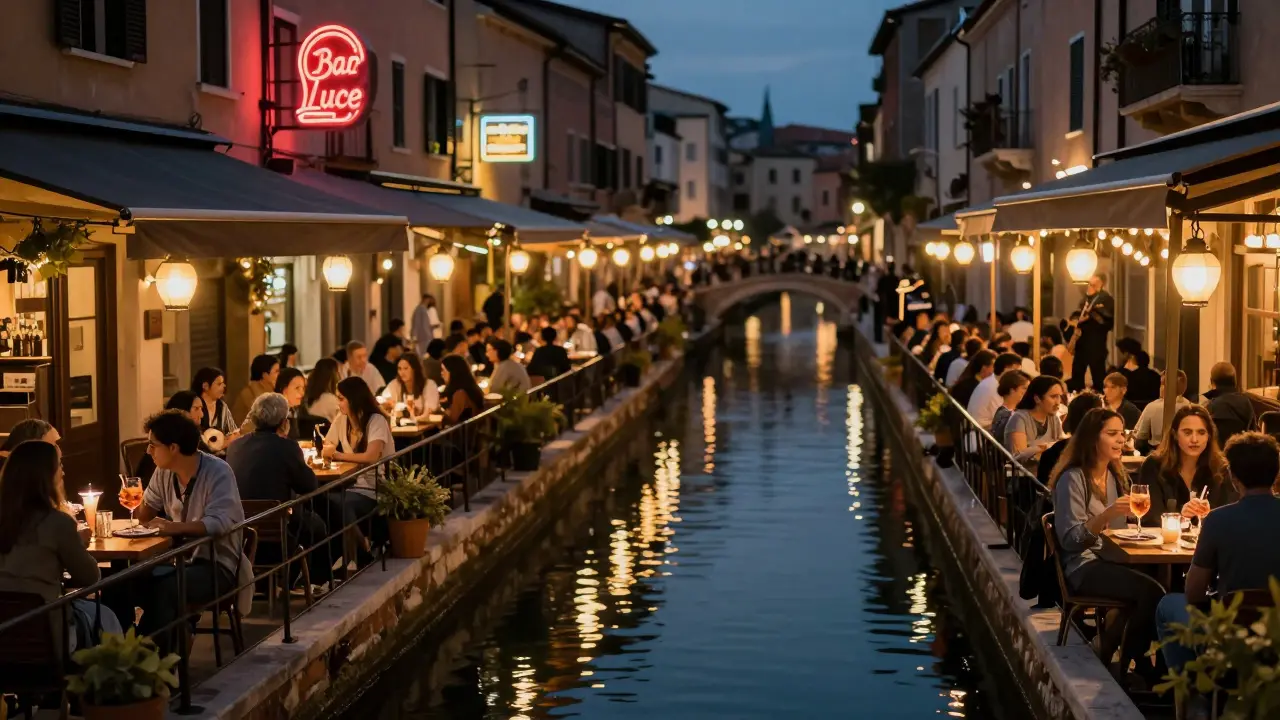
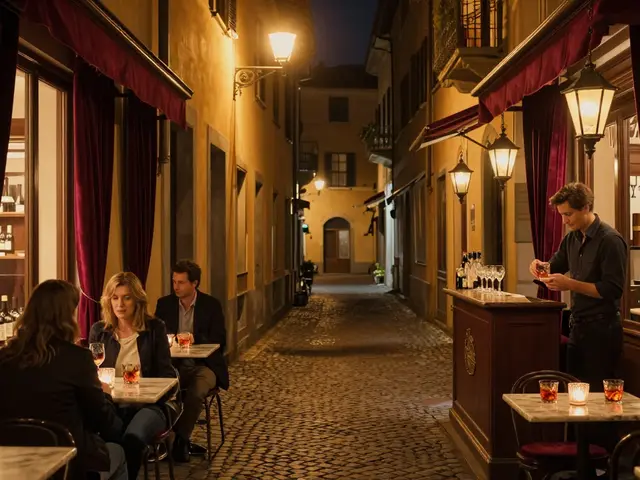
If you want to feel like a local, skip the tourist traps near the Duomo. The real action starts in Navigli, the canal district. By 10 p.m., the canalside terraces are packed with people sipping Aperol spritzes and craft cocktails. It’s not one club - it’s a stretch of 50+ bars, each with its own vibe. Bar Luce is a favorite for its retro design and live acoustic sets. La Casa del Vino offers 300+ Italian wines by the glass. And if you’re looking for something louder, Club 12 kicks off the night with house and techno, drawing a mixed crowd of artists, designers, and young professionals.
Just a few blocks away, Brera is where Milan’s creative elite unwind. Think dim lighting, velvet couches, and cocktails made with house-infused spirits. Bar Basso is legendary - it’s the birthplace of the Negroni Sbagliato. You’ll wait 20 minutes for a table, but it’s worth it. The bar stays open until 2 a.m., and the energy doesn’t fade. Walk-ins are welcome, but if you want to guarantee a spot, show up before 11 p.m.
The club scene: From underground to elite
Milan’s club scene splits into two worlds: the intimate, exclusive spots and the massive, international venues. If you’re into deep house, techno, or experimental beats, head to La Scala Club under the old opera house. It’s not on any map - you need a friend to get in. No sign. No bouncer. Just a quiet door and a whispered password. Once inside, you’ll find a 200-capacity room with world-class sound systems and DJs flown in from Berlin and Tokyo.
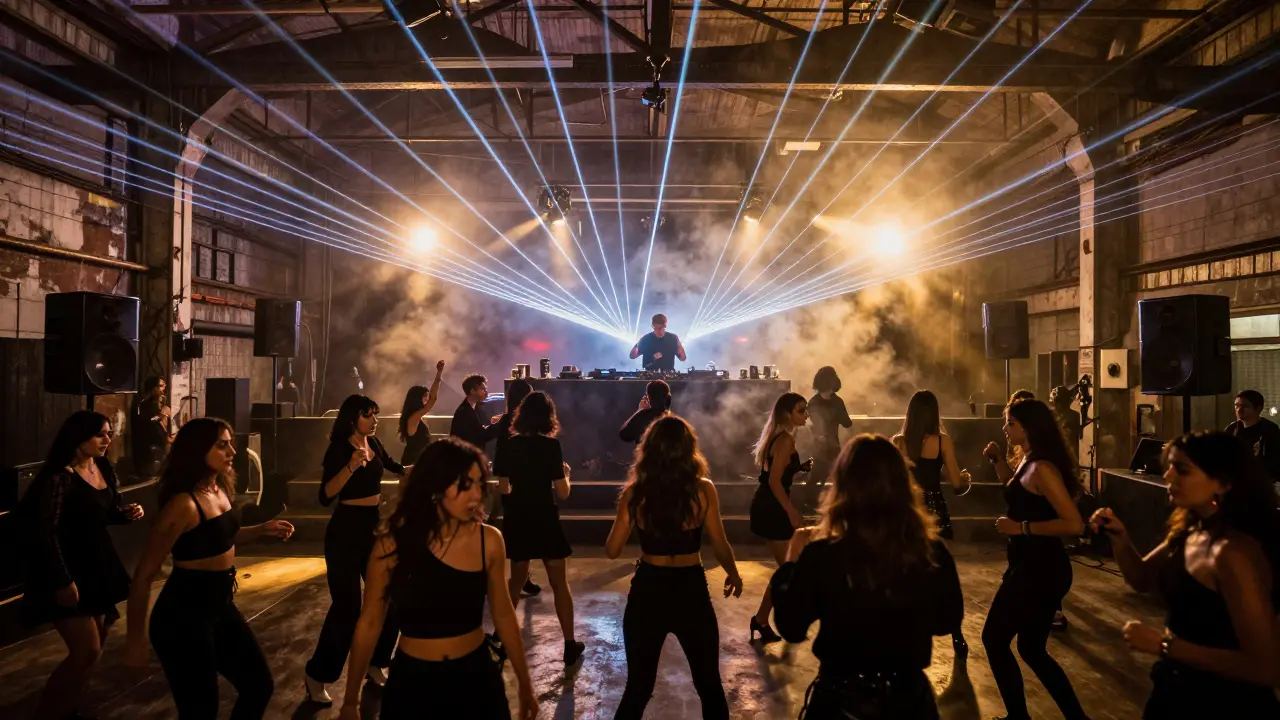
For a bigger night out, Alcatraz is the go-to. This former industrial warehouse hosts 2,000+ people on weekends. It’s not just a club - it’s an event. Every Friday, they bring in international DJs like Charlotte de Witte and Tale Of Us. The lighting is synchronized with the music. The crowd? Mostly Milanese in minimalist black, but you’ll also spot tourists from London, Tokyo, and New York. Entry is €15 before midnight, €25 after. Dress code: no sneakers, no shorts. Think sharp jeans and a blazer.
Don’t miss Magazzini Generali, a multi-space venue in the Porta Genova district. One room plays disco, another plays punk, and the third is a chill lounge with vinyl sets. It’s open from 9 p.m. to 6 a.m. on weekends. You can spend all night hopping between rooms. It’s the only place in Milan where you’ll hear a 1970s funk track followed by a 2026 experimental electronic beat - and no one bats an eye.
Secret bars and hidden gems
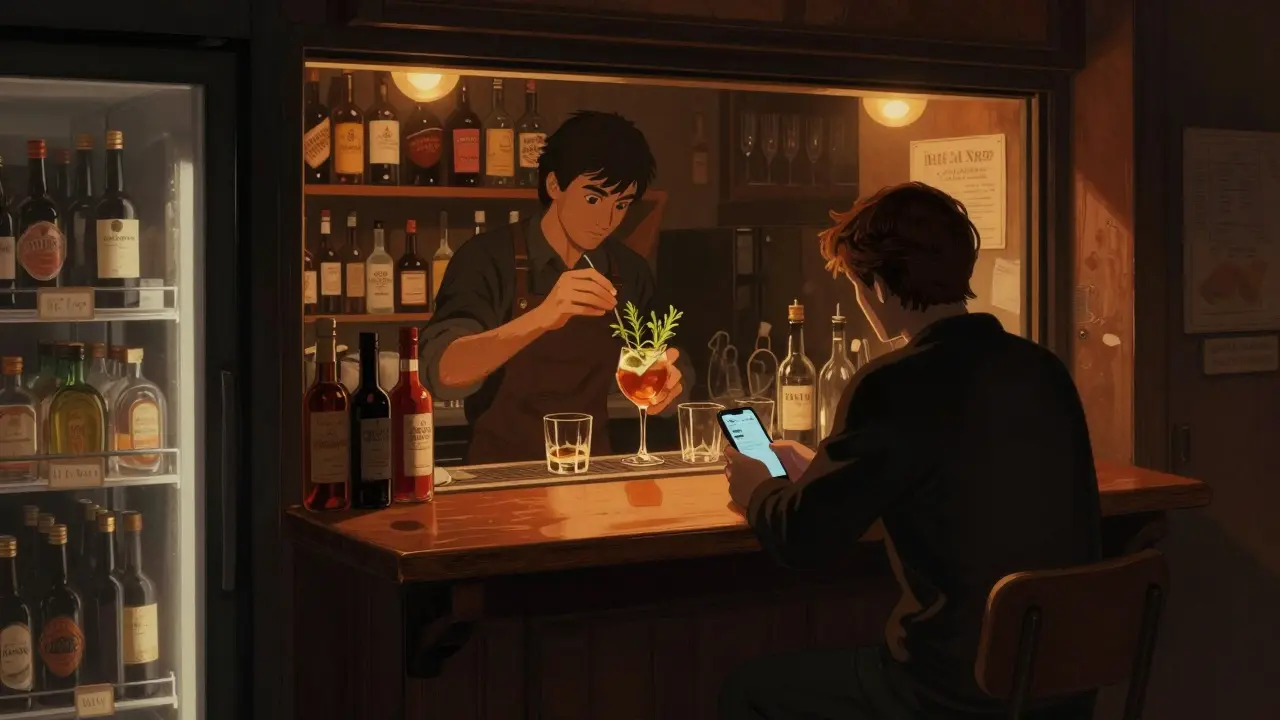
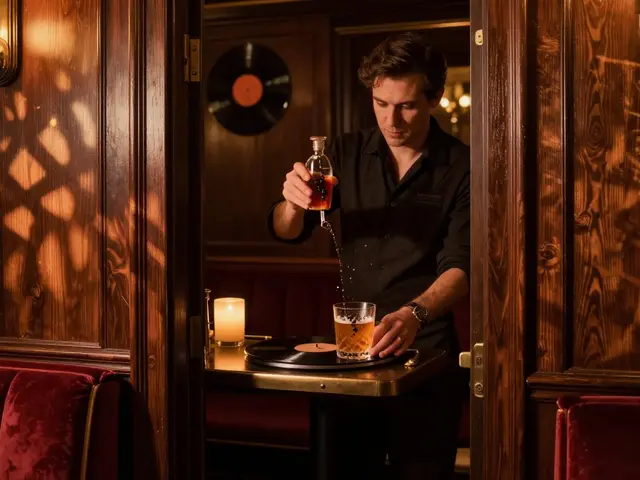
Some of Milan’s best nightlife spots don’t even have signs. Take Il Gatto Nero - a 10-seat cocktail bar hidden behind a fridge door in a grocery store. You need to text a number on their Instagram to get the code. Inside, bartenders craft drinks using Italian herbs, wild honey, and aged bitters. Each cocktail costs €18, but it’s a 45-minute experience. You’ll be served a story with your drink.
La Stanza del Vino is another hidden spot. It’s a wine cellar under a 19th-century building. No chairs. Just wooden crates and standing tables. They pour rare bottles from Sicily and Friuli that you won’t find anywhere else. The owner, Marco, knows every vineyard owner in northern Italy. He’ll pull out a 2010 Barolo just because you asked. No menu. No prices listed. You tell him what you like, and he picks.
When to go out - and when to avoid
Weekends are packed. Friday and Saturday nights are the peak. But if you want to avoid crowds and still get a great vibe, go on a Thursday. Many clubs host special events then - live jazz, vinyl nights, or guest DJs from other cities. You’ll get better service, shorter lines, and often free entry before midnight.
Don’t go on Sunday. Most places close early. Even the bars shut down by 2 a.m. The city feels quiet. It’s not dead - it’s resetting. The real nightlife crowd is sleeping. If you’re staying for Monday, use Sunday night to rest.
July and August are slow. Many locals leave for the coast. The clubs thin out. But September through June? That’s when the scene is alive. October brings the Fashion Week parties. December has rooftop ice bars. January? New Year’s Eve is insane - but you need to book a table six months in advance.
What to wear - and what not to
Milanese people dress like they’re going to a gallery opening - even when they’re going to a warehouse club. No flip-flops. No baseball caps. No hoodies. Jeans are fine, but they need to be clean, dark, and tailored. Shoes? Leather loafers or sleek boots. Women wear minimalist dresses or tailored jumpsuits. Men wear slim-fit shirts with blazers, even if it’s 30°C.
At Alcatraz and La Scala Club, they check your outfit at the door. You won’t be let in if you look like you just rolled out of a hostel. It’s not snobbery - it’s culture. Milan’s nightlife is as much about style as it is about music.
How to get around
Public transport runs until 1:30 a.m. After that, you need a taxi or ride-share. Uber doesn’t work well here - most drivers don’t speak English. Use Free Now (formerly MyTaxi) or Beat. Both apps are local, reliable, and cheaper than Uber. A ride from Navigli to Alcatraz costs €12-15 after midnight.
Walking? Only if you’re staying in the same district. Milan’s center is compact, but the streets are narrow, uneven, and poorly lit after 1 a.m. Stick to main roads. Don’t cut through alleys.
Drink prices and what’s included
A beer in a tourist bar? €8. A cocktail in Navigli? €14. A craft gin and tonic at a hidden bar? €18. At clubs, drinks are €12-20. Most places don’t include cover charges - you pay for the drink, and that’s it. Some clubs charge entry (€10-25), but it’s usually waived if you buy a bottle or a round for the table.
Water? Always ask for “acqua naturale.” Tap water is safe, but bars rarely serve it. Bottled water costs €5. Don’t be surprised.
What you won’t find
You won’t find American-style dive bars. No karaoke. No pub quizzes. No neon signs saying “Happy Hour.” Milan doesn’t do gimmicks. The vibe is subtle, sophisticated, and slow-burning. The music matters more than the lighting. The drink matters more than the glass. The company matters more than the crowd.
You won’t find 24-hour pizza places. The last pizzeria closes at 2 a.m. If you’re hungry after the club, head to Trattoria da Giacomo - it’s open until 4 a.m. on weekends. Their risotto alla Milanese is the best in the city. Order it with a glass of red. You’ll thank yourself at 5 a.m.
Final tip: Don’t rush
Milan’s nightlife isn’t about hitting five clubs in one night. It’s about one perfect hour. Sitting on a canal with a perfectly made Negroni. Dancing in a warehouse with strangers who become friends. Sipping a rare wine with someone who tells you a story you’ll remember for years.
The best nights don’t start at 10 p.m. They start at 8 p.m. With dinner. With conversation. With a slow walk through the city as the lights come on.
You don’t need a plan. You just need to be there.
What’s the best night to go out in Milan?
Friday and Saturday nights are the busiest, with the biggest crowds and top DJs. But Thursday nights are quieter and often feature special events like live jazz, vinyl sets, or guest DJs. If you want a more relaxed vibe with better service, Thursday is your best bet.
Do I need to book a table in advance?
For popular clubs like Alcatraz or La Scala Club, you don’t need a table - but you do need to arrive early. Lines form by 11 p.m. on weekends. For hidden bars like Il Gatto Nero or La Stanza del Vino, booking is required. Send a message via Instagram or WhatsApp. Most places only accept reservations through social media.
Is Milan nightlife safe at night?
Yes, Milan is one of the safest major European cities for nightlife. The center is well-lit and patrolled. Avoid isolated alleys after midnight, and don’t carry large amounts of cash. Use official taxi apps like Free Now or Beat. Pickpocketing is rare, but it happens in crowded clubs - keep your phone and wallet secure.
Can I go out if I don’t speak Italian?
Absolutely. Most bartenders and club staff in central areas speak English. In Navigli and Brera, it’s common. At hidden bars, some staff may not, but they’re used to international guests. A smile and a simple “Grazie” go a long way. You don’t need to speak Italian - you just need to be respectful.
What’s the dress code like in Milan clubs?
Smart casual. No sneakers, no shorts, no hoodies. Dark jeans, a button-up shirt, and leather shoes for men. A tailored dress or jumpsuit for women. At Alcatraz and La Scala Club, they check your outfit at the door. If you look too casual, you won’t get in. It’s not about being rich - it’s about respecting the culture.
Are there any all-night spots in Milan?
Magazzini Generali is open until 6 a.m. on weekends. La Scala Club and Alcatraz often close around 5 a.m. If you’re still going after that, Trattoria da Giacomo serves food until 4 a.m. and is a popular post-club hangout. Most other places shut down by 2 a.m.
Write a comment