


When the sun sets over the Bosphorus, Istanbul doesn’t just go to sleep-it transforms. One moment you’re walking past ancient minarets and Ottoman-era courtyards; the next, you’re stepping into a basement jazz club where the oud blends with electronic beats. This isn’t just a city that stays up late. It’s a place where centuries of tradition don’t fade at night-they dance, sip raki, and invite you to join.
Where Old Istanbul Comes Alive After Dark
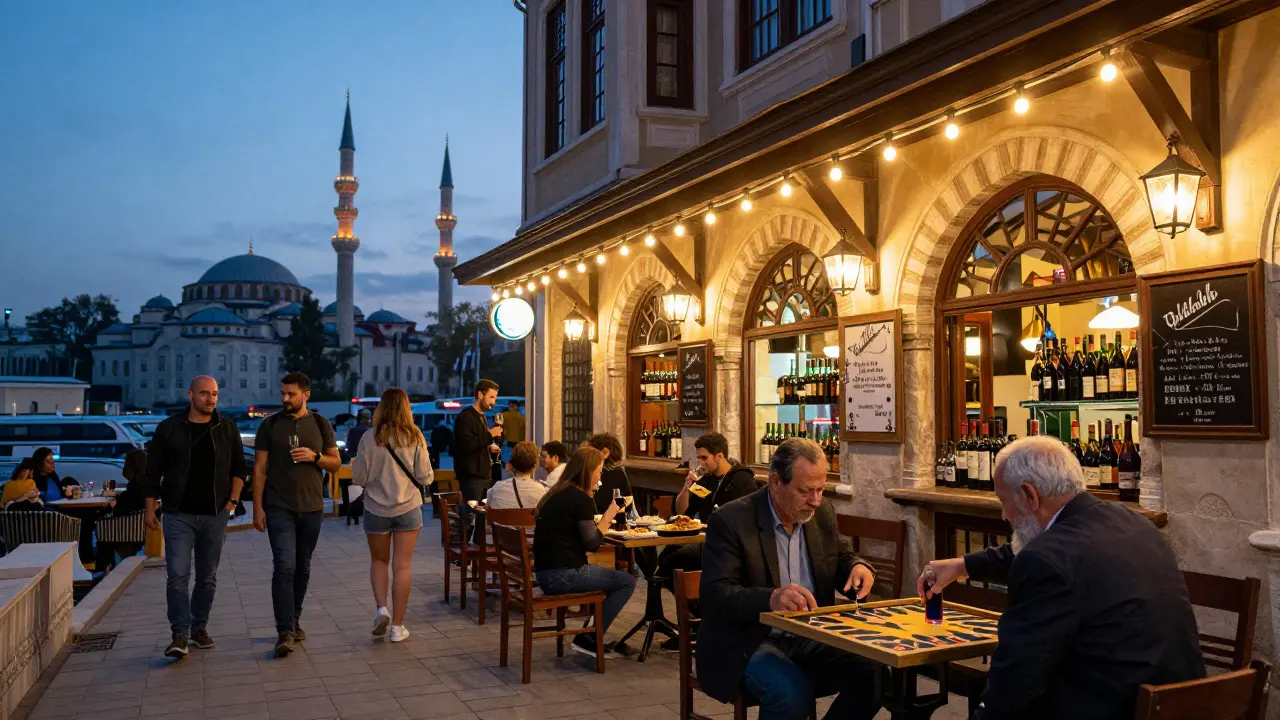
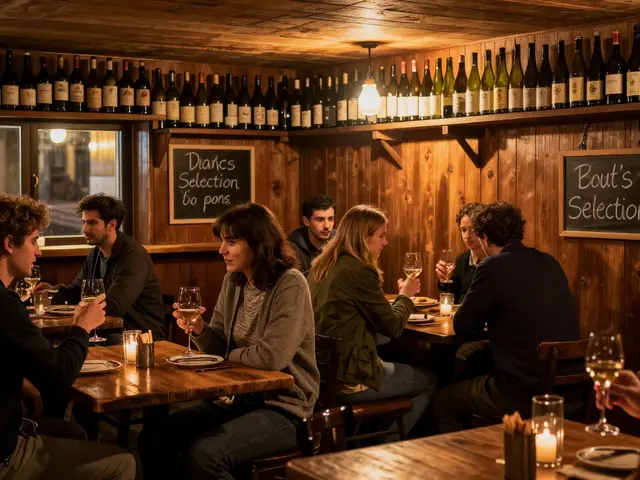
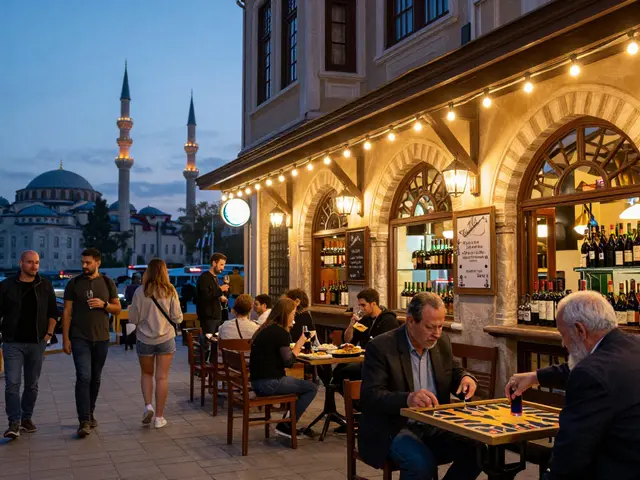
Many visitors think of Istanbul as a daytime city of mosques and bazaars. But head to the narrow alleys of Beyoğlu after 10 p.m., and you’ll find a different rhythm. The streets buzz with locals and travelers alike, drawn not just by neon signs but by the sound of live music spilling out of hidden doorways. Çiçek Pasajı is one of those places. Once a 19th-century arcade filled with flower shops, it’s now lined with wine bars and live music venues. Locals call it "the heart of Istanbul’s nightlife." You’ll find students sipping Turkish wine, expats debating politics over mezze, and grandfathers playing backgammon under string lights.
Don’t miss İstiklal Caddesi-the city’s main pedestrian boulevard. By night, it’s a 1.4-kilometer-long pulse of energy. Street musicians play everything from Turkish folk songs to Beatles covers. Vendors sell roasted chestnuts and freshly squeezed pomegranate juice. It’s not just a street; it’s a living museum of how Istanbul moves after dark.
The Raki and the Rhythm
Ask any local what defines a true Istanbul night, and they’ll say: raki. This anise-flavored spirit isn’t just a drink-it’s a ritual. Served with ice and water, it turns cloudy like milk, and it’s always accompanied by small plates: grilled eggplant, spicy anchovies, or creamy feta. You’ll find raki bars tucked into the hills of Karaköy and Galata, where the view of the Golden Horn is just as important as the drink.
Some places, like Reina, have turned the raki ritual into an all-night experience. Opened in 2007, Reina sits on the water’s edge with outdoor decks and a DJ booth that doesn’t stop until sunrise. It’s not just a club-it’s a cultural hybrid. One night you’ll hear a live ney flute player; the next, a global house music set. The crowd? A mix of Turkish artists, German backpackers, and Emirati entrepreneurs-all sharing the same table.
Traditional Performances That Still Shine
Forget the clichés. You don’t need to go to a tourist trap to see authentic Turkish entertainment. In the old city, tucked away behind the Grand Bazaar, you’ll find Whirling Dervishes performances that aren’t staged for cameras-they’re spiritual gatherings open to the public. The Mevlevi Order still holds weekly ceremonies in the Galata neighborhood. The spinning isn’t a show. It’s a prayer. And the silence that follows? It’s louder than any nightclub.
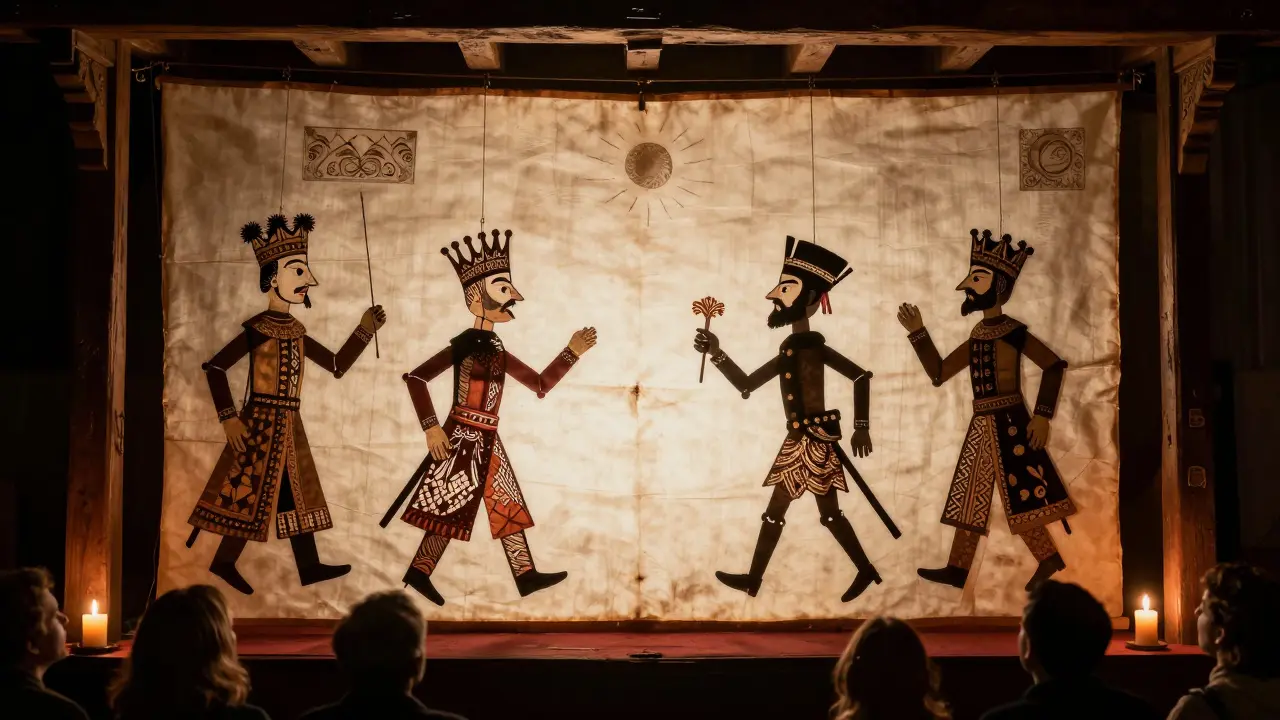
For something more playful, try a shadow theater at the İstanbul Karagöz Museum. This centuries-old form of storytelling uses leather puppets to tell satirical tales about kings, fools, and everyday life. The performances last less than an hour, but the laughter echoes long after. It’s the kind of night you won’t find on any travel blog-but you’ll remember forever.
Modern Clubs with a Turkish Soul
When the city wakes up again, it’s not just about drinking. It’s about sound. Istanbul’s underground club scene is one of the most underrated in Europe. In the former textile factories of Kuzguncuk and Adalar, you’ll find intimate venues where techno meets Turkish percussion. Barbaros in Kadıköy plays only Turkish electronic music-think a synth version of a Sufi chant. No cover charge. No VIP section. Just a room full of people dancing like no one’s watching.
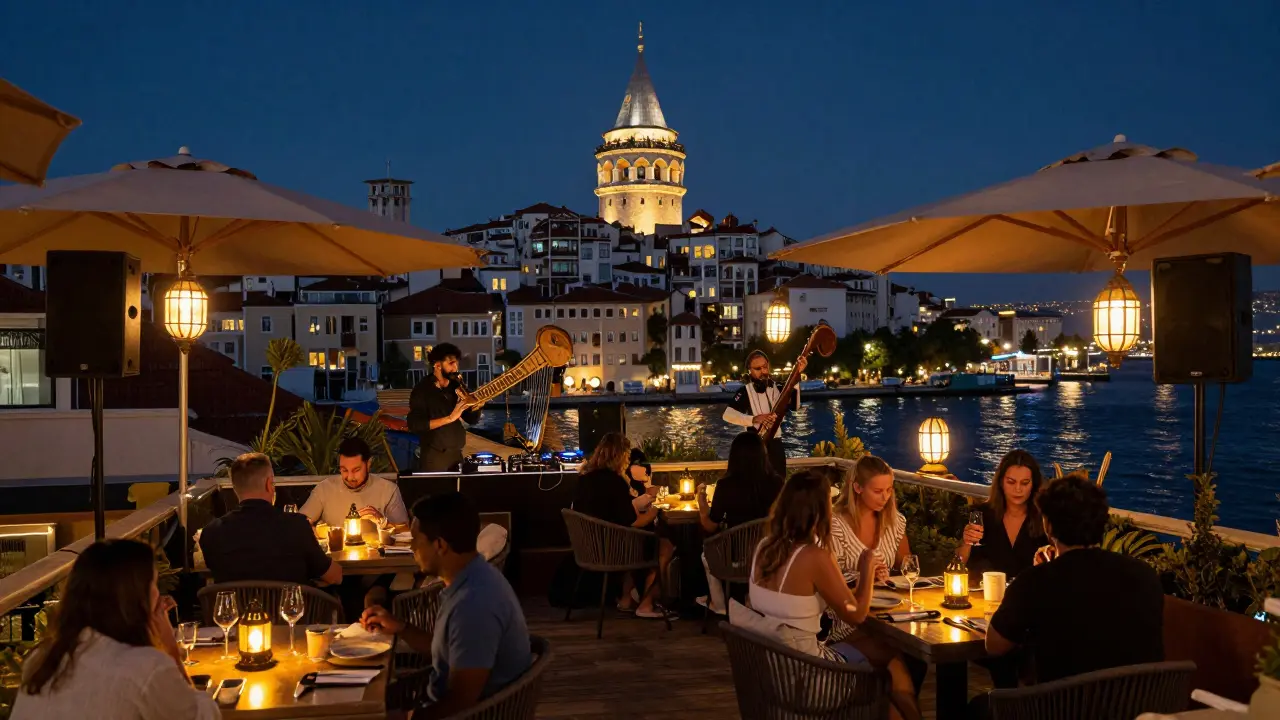
Then there’s Leb-i Derya, a rooftop bar on the Asian side. It’s not loud. It’s not flashy. But at midnight, when the lights dim and the oud player starts, the whole city seems to lean in. You’ll hear the call to prayer from the nearby mosque, then a bassline from the speakers. The two don’t clash. They harmonize.
What to Expect (and What to Avoid)
Not every night out in Istanbul is magical. Some places are built for tourists, not locals. Avoid places that advertise "Turkish belly dancing" with giant signs-it’s often overpriced and inauthentic. Instead, follow the locals. If a bar has no English menu, that’s a good sign. If the bartender asks you where you’re from before pouring your drink, you’re in the right spot.
Also, don’t expect 24/7 partying. Most clubs close by 3 a.m., and public transport stops around 2. But that’s part of the charm. The night feels intimate, not chaotic. People leave when they’re ready-not because they’re forced out.
When to Go
April to October is peak season. The weather is mild, the Bosphorus is calm, and outdoor venues are full. But if you want the real Istanbul night-quiet, local, and raw-come in November. The crowds thin, the music gets deeper, and the raki flows slower. You’ll find yourself in a bar with three other people, listening to a poet recite in Ottoman Turkish. No one else is there. You’re lucky to be.
Final Thoughts
Istanbul’s nightlife isn’t about how loud it is. It’s about how deeply it connects you-to history, to strangers, to yourself. You don’t just visit. You participate. You sip raki with someone who’s never left the city. You dance to a beat that’s been played for 800 years. You sit on a rooftop and realize the city’s soul hasn’t changed-it’s just learned how to party.
Is Istanbul nightlife safe for solo travelers?
Yes, Istanbul is generally safe for solo travelers at night, especially in well-lit areas like Beyoğlu, Karaköy, and İstiklal Caddesi. The city has a strong police presence in tourist zones, and locals are often helpful. Still, avoid poorly lit side streets after midnight, and keep your belongings close. Most bars and clubs have security, and public transport runs until 2 a.m. with frequent service.
Do I need to dress a certain way for Istanbul nightlife?
There’s no strict dress code. In clubs like Reina or Leb-i Derya, smart casual works fine-no need for formal wear. In traditional raki bars or cultural venues, modest clothing is appreciated but not required. The key is comfort. Istanbul is relaxed. You’ll see locals in jeans and t-shirts as often as in dresses or suits. Just avoid wearing beachwear in city centers after dark.
Can I find vegan or vegetarian options in Istanbul nightlife spots?
Absolutely. Turkish cuisine has deep vegetarian roots. Mezze platters often include hummus, stuffed grape leaves, grilled vegetables, and lentil soup. Many modern bars and clubs now offer vegan raki cocktails and plant-based mezes. Places like Reina and Barbaros have dedicated vegan menus. Even traditional spots will adjust dishes if you ask-just say "vejeteryen" (veh-jeh-teh-ryen).
Are there any night tours or guided experiences for nightlife?
Yes, several local operators offer guided night walks through Beyoğlu and Karaköy. These aren’t club crawls-they’re cultural tours. Guides take you to hidden music venues, explain the history of raki, and introduce you to local musicians. Prices range from 150 to 300 Turkish lira. Look for tours labeled "authentic Istanbul night"-avoid those that promise "party buses" or "VIP access." The best experiences are small, personal, and led by locals who’ve been doing this for years.
What’s the best way to get around Istanbul at night?
The city’s public transport runs until 2 a.m., with the M2 metro and ferries being the most reliable. Night buses (marked "gece hatları") operate on major routes, but they’re less frequent. Taxis are plentiful and metered-always use BiTaksi or Uber for safety. Walking is fine in central areas like Beyoğlu, but avoid crossing bridges or walking alone near the water after midnight. If you’re heading to the Asian side, take the ferry-it’s scenic, cheap, and ends at 1 a.m.




Write a comment