

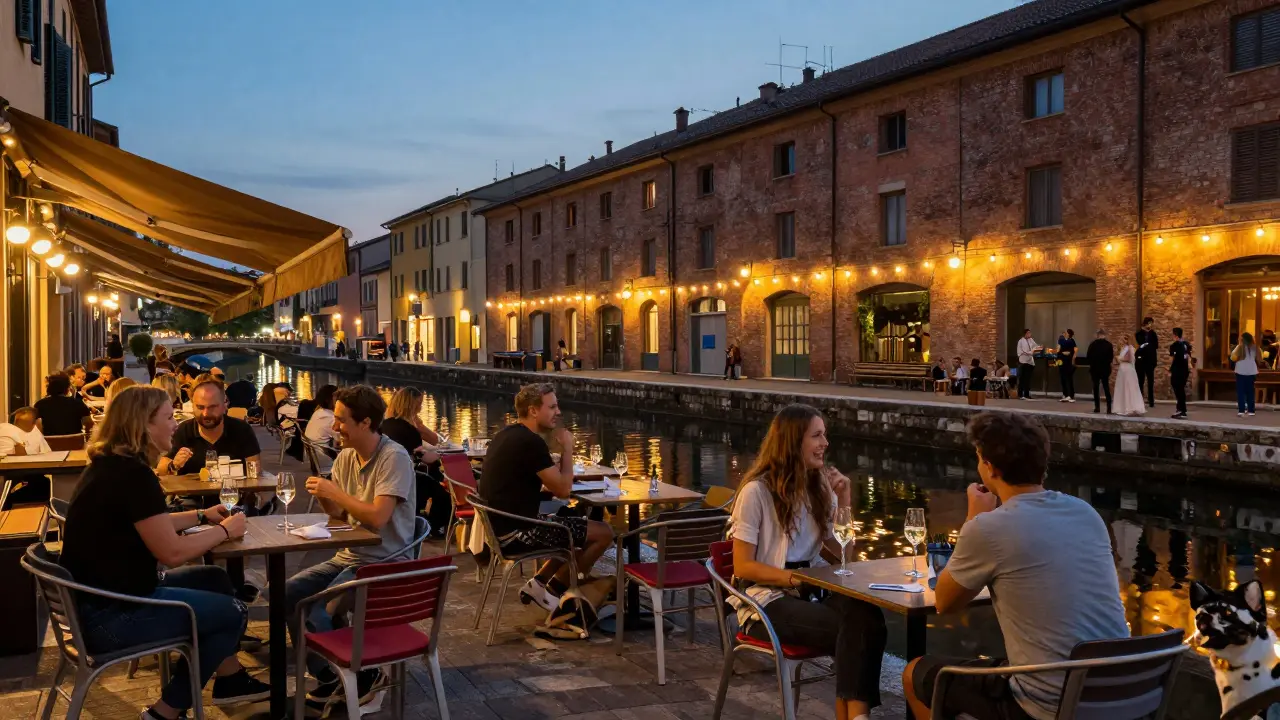

When the sun goes down in Milan, the city doesn’t sleep-it switches gears. Forget the daytime hustle of fashion shows and designer boutiques. At night, Milan becomes a living, breathing party machine with hidden speakeasies, buzzing wine bars, and clubs that keep dancing until dawn. This isn’t just about going out. It’s about finding the right place at the right time, whether you want to sip craft cocktails in silence or dance until your shoes stick to the floor.
Start in Navigli: Where the Canals Come Alive
Head to the Navigli district after 8 p.m. and you’ll see why locals call it the heart of Milan’s nightlife. The canals, lined with old brick warehouses, now hold a string of outdoor bars with string lights and mismatched chairs. It’s the kind of place where you can start with a glass of Prosecco at Bar Basso, move to a beer at La Cucina di Naviglio, and end up dancing to indie rock at Le Gru by midnight.
The vibe here is relaxed but electric. Locals bring their dogs, students study with wine in hand, and tourists wander in, confused but delighted. Don’t miss the Friday night market along the canal-live music, street food, and people-watching make it feel like a small-town festival in the middle of a global city.
Brera: Intimate Bars and Hidden Gems
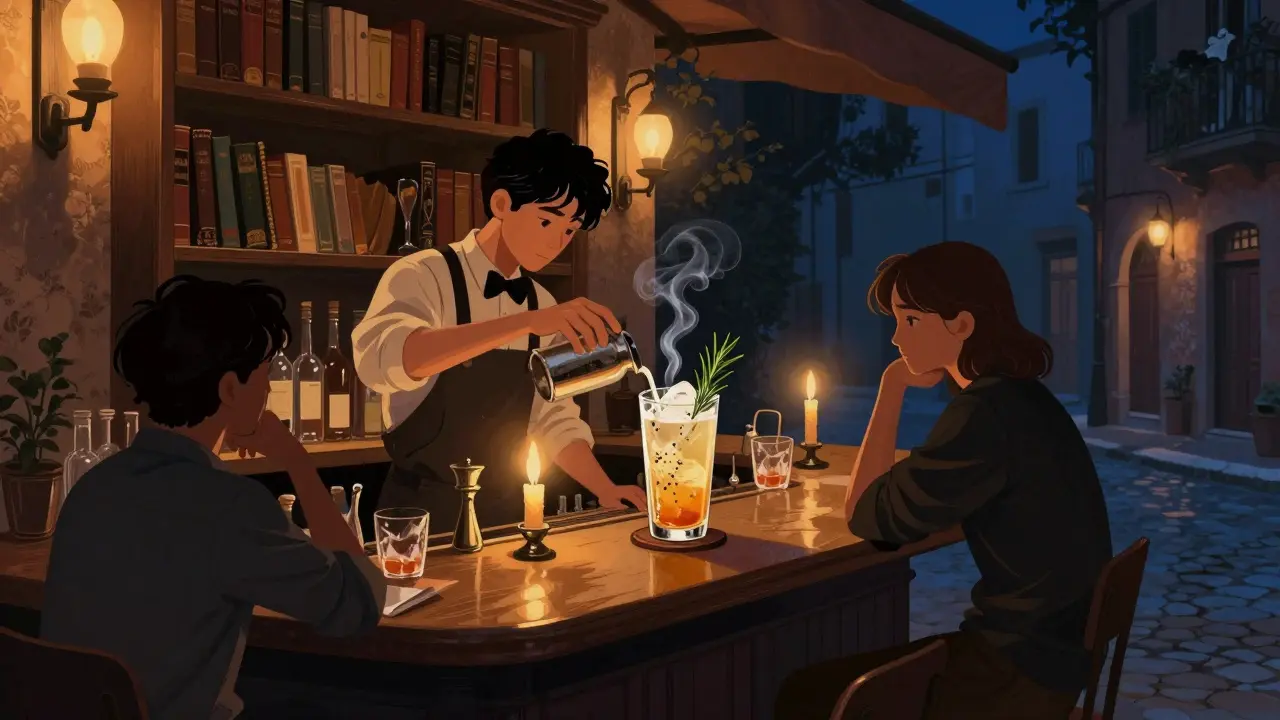
If you’re looking for something quieter but still full of character, Brera is your spot. This artsy neighborhood feels like a secret. Narrow streets, vintage bookshops, and candlelit terraces define the mood. Bar Basso here isn’t the same as the one in Navigli-it’s the original, where the Negroni was invented in 1919. Order one. It’s not just history; it’s perfection.
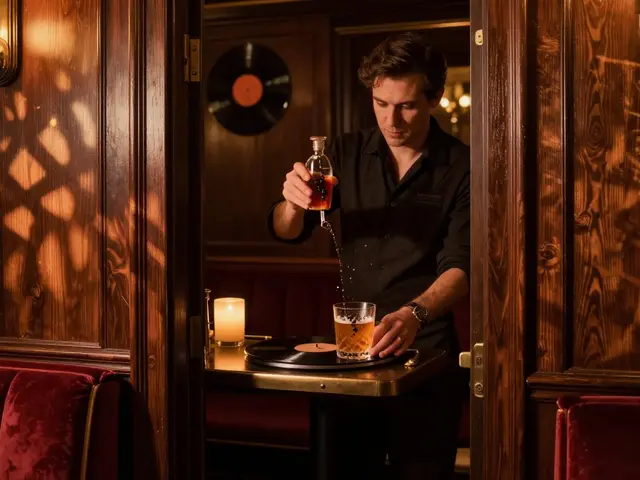
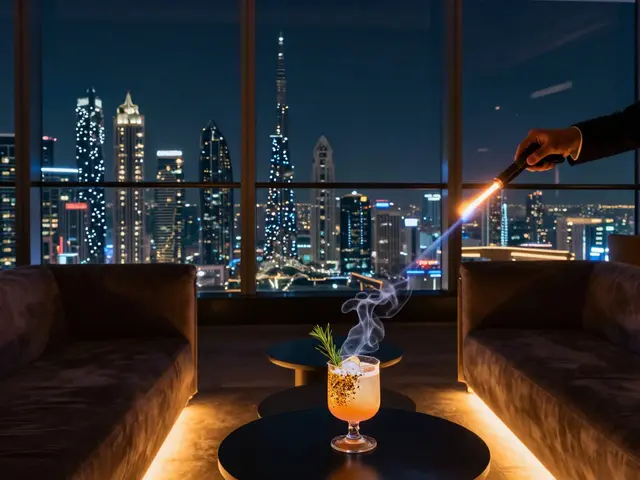
For something newer, try Il Baretto. It’s tiny, no menu, just a bartender who asks what you’re in the mood for and makes you something unexpected. One night it’s a smoked mezcal sour with elderflower. The next, it’s a gin tonic with rosemary and black pepper. You don’t choose the drink-you let the night choose for you.
Porta Venezia: Eclectic and Unapologetic
Porta Venezia is where Milan’s queer scene, expats, and underground artists collide. This is not a tourist trap. It’s raw, real, and loud. The bars here don’t care if you dress up. In fact, the weirder your outfit, the better.
Bar Basso has nothing on Bar Basso here-wait, no, that’s not right. Let me fix that. Bar Basso is in Brera. The one you want here is Il Covo. It’s a dimly lit basement with velvet curtains, a jukebox full of 80s synth, and a crowd that knows every lyric. Open until 4 a.m., it’s the only place in Milan where you’ll hear Madonna next to a local hip-hop artist.
Just around the corner, Le Biforca is a cocktail bar that doubles as a queer performance space. Drag shows every Thursday, live jazz on Sundays, and a wine list that changes weekly based on what the owner found at a local vineyard. This isn’t nightlife-it’s theater.
Corso Como: The VIP Scene That Actually Delivers
Corso Como is where Milan’s elite go when they want to be seen-but also when they want to actually have a good time. The area around Corso Como 10 is a mix of art galleries, design shops, and exclusive clubs. The most famous? La Scala-no, not the opera house. This one’s a members-only club with velvet booths, a hidden rooftop, and a DJ who spins rare Italian disco from the 70s.
You don’t need to be a celebrity to get in. But you do need to know the right time to show up. Arrive before 11 p.m. and you’ll get in without a wait. Come after midnight, and you’re standing outside while a group of influencers gets waved in. The dress code? Smart casual. No sneakers. No baseball caps. If you’re not dressed to impress, you’re not welcome.
But here’s the secret: the real magic is in the back room. Ask for the “library.” It’s a quiet space with leather armchairs, vintage books, and a bartender who only serves single-origin Italian amaro. It’s the kind of place you remember years later-not because you danced, but because you talked to someone who changed your view of the city.
Clubs That Actually Matter: Dug Out and Cocoricò
If you’re here for the clubs, you need two names: Dug Out and Cocoricò.
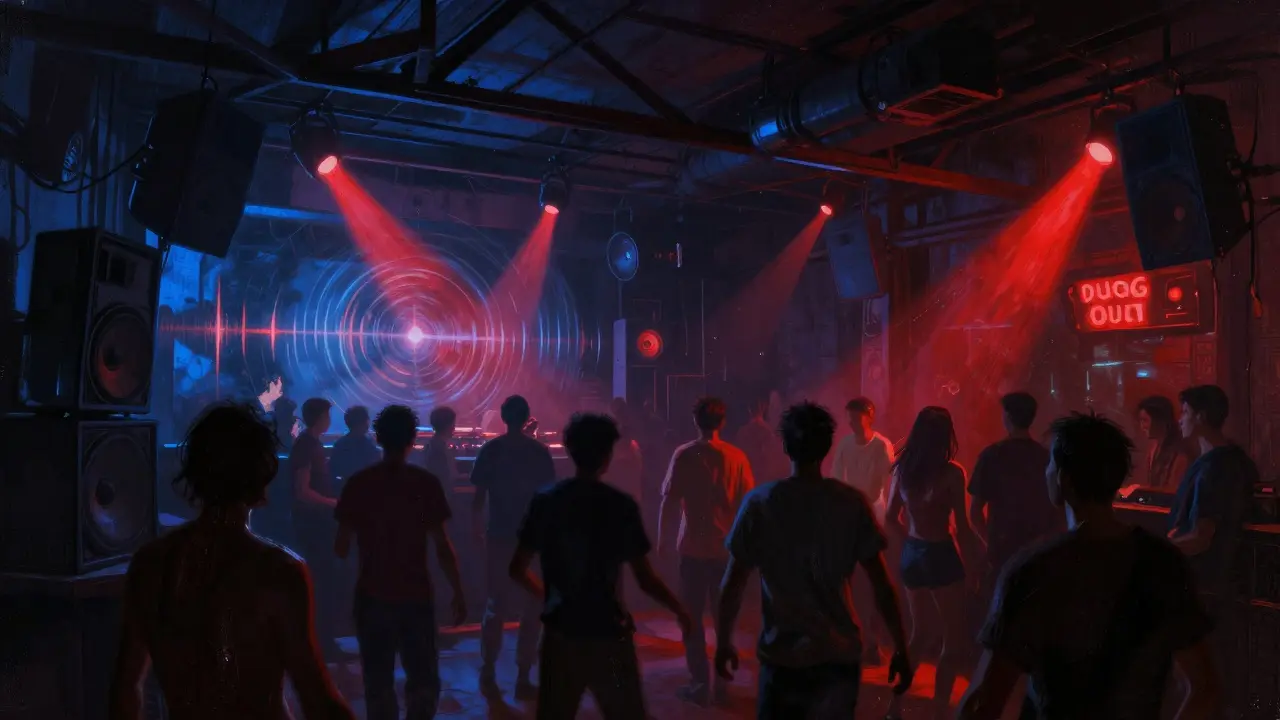
Dug Out is in a converted 1920s warehouse near the Porta Genova train station. It’s dark, sweaty, and loud. The sound system is custom-built by a local engineer who spent five years tuning it to feel like you’re inside the music. They play techno, house, and experimental beats. No pop. No remixes. Just raw, deep rhythms that make your chest vibrate. The crowd? Mostly locals in their 20s and 30s. No tourists. No Instagram posing. Just people who came to lose themselves.
Cocoricò is the opposite. It’s on the outskirts of town, in a former factory near the airport. It’s bigger, flashier, and more international. Famous DJs like Carl Cox and Charlotte de Witte have played here. The dance floor is massive, the lighting is synchronized with the beat, and the VIP section has private lounges with bottle service. But here’s the catch: it’s not for everyone. If you’re looking for something personal, this isn’t it. But if you want to feel like you’re in a music video, this is your spot.
What to Know Before You Go
Milan’s nightlife isn’t like Berlin or Ibiza. It’s not all-night raves or 24-hour bars. Most places close by 2 a.m. on weekdays. Weekends stretch to 4 a.m., but only if you’re still standing.
Don’t expect to walk into a club and buy a drink at the bar. Most places have a cover charge-€10 to €20, depending on the night. Cash is still king. Many bars don’t take cards after 10 p.m.
Also, don’t wear flip-flops. Seriously. Even in summer, Milan’s nightlife has a dress code. It’s not about being rich-it’s about showing respect. Locals notice. And if you look like you’re trying too hard, you’ll stand out for the wrong reasons.
Where to Eat After Midnight
After the clubs close, you’ll be hungry. The answer? Trattoria Milanese on Via Padova. Open 24 hours, it’s a no-frills spot with giant plates of risotto alla milanese and fried polenta. It’s the kind of place where a group of clubbers in glittery outfits sits next to a taxi driver eating his third plate.
Or head to La Baita in Porta Venezia. They serve truffle fries, bresaola sandwiches, and hot chocolate with a shot of grappa. It’s open until 6 a.m. on weekends. And yes, they’ll let you sit there for hours.
Final Tip: Go Early, Stay Late
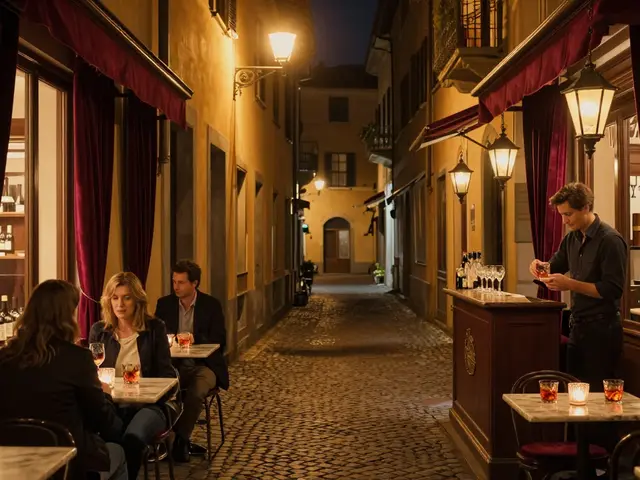
The best nights in Milan don’t start at 10 p.m. They start at 8 p.m. with aperitivo-a tradition that’s more than a drink. It’s a ritual. For €10-15, you get a cocktail and a buffet of snacks: mini sandwiches, olives, cheese, and pasta salad. The best aperitivo spots? Bar Basso (yes, again), Il Salumiere, and La Cucina di Naviglio.
Stay for the sunset. Watch the light hit the canals. Talk to someone you don’t know. That’s when Milan reveals itself-not in the clubs, but in the quiet moments before the night begins.
Write a comment