


In London, where art galleries and historic museums draw crowds, a hidden thread connects the city's creative world to its escort services industry. This isn't just about stereotypes-it's a real, complex relationship shaped by history, culture, and modern-day realities. The intersection of art and sex work in London is both fascinating and controversial.
Historical Connections
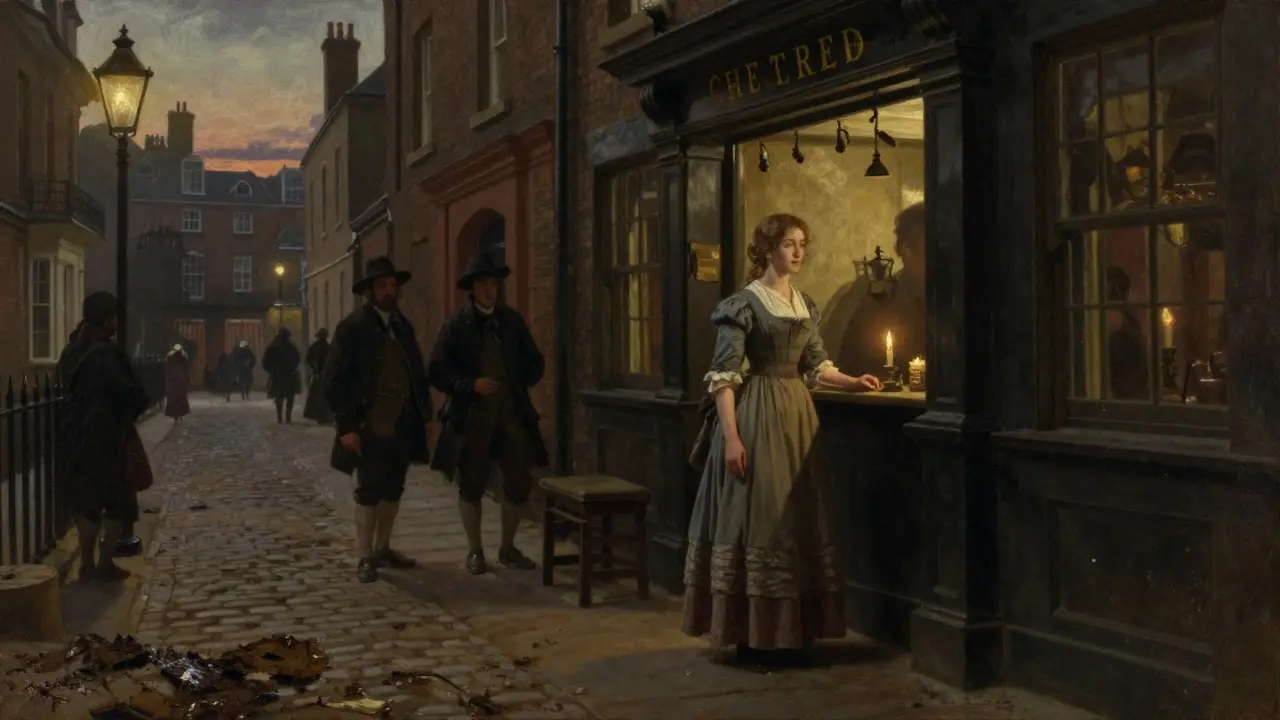
Artists have long been drawn to London's underworld. In the 18th century, William Hogarth created a series of paintings titled 'A Harlot's Progress'. These works depicted the rise and fall of a young woman entering prostitution. Hogarth's art wasn't just commentary-it documented the harsh realities of London's streets. His detailed scenes showed how poverty and societal pressures pushed women into the sex trade. Today, art historians still study these pieces to understand the era's social dynamics.
Contemporary Artistic Expressions
Fast forward to today, and London's art scene continues to engage with themes of sex work. Tracey Emin, a prominent British artist, has openly discussed her experiences with relationships and sexuality in her work. Her famous piece 'My Bed'-a disheveled bed surrounded by personal items-challenges viewers to confront vulnerability and intimacy. Similarly, exhibitions like 'The Art of Sex Work' at Tate Modern have featured works that humanize those in the industry. These pieces often use photography, video, and installations to share personal stories, moving beyond stereotypes.

Legal and Ethical Boundaries
UK law treats escort services as legal when conducted privately, but related activities like soliciting in public or operating brothels are prohibited. This creates a tricky environment for artists. Galleries must navigate these laws carefully. For example, Tate Modern ensures exhibits stay within legal boundaries by focusing on artistic expression rather than explicit promotion. However, this legal gray area also sparks debates. Some argue that art can help destigmatize sex work, while others worry it might normalize exploitation.
Cultural Impact and Perception
The intersection of art and escort services in London reflects broader societal tensions. On one hand, art can humanize those in the industry, highlighting their stories beyond stereotypes. On the other, it can perpetuate harmful narratives. This dynamic is evident in how London's art institutions choose to address the topic-sometimes with sensitivity, other times with controversy. For instance, a recent exhibit at the Victoria and Albert Museum explored the history of prostitution in London through historical artifacts and contemporary art. The exhibit received mixed reviews: some praised its educational value, while others criticized it for romanticizing the industry.
Is it legal for artists to depict escort services in the UK?
Yes, artists in the UK can depict escort services as long as their work doesn't violate laws related to prostitution. For example, creating art that portrays sex work is protected under freedom of expression. However, if the art involves promoting illegal activities like brothel-keeping or soliciting, it could cross legal boundaries. Galleries and museums typically consult legal experts to ensure their exhibits comply with UK laws.
How do escort services in London interact with the art scene?
Some escorts in London work as models for artists, while others attend art events as clients. In rare cases, artists collaborate with escorts to create projects that explore themes of sexuality and identity. However, these interactions are usually private and not widely publicized. Most mainstream galleries avoid direct ties to escort services due to legal and reputational risks.
Are there art galleries in London that feature escort-related exhibits?
Major galleries like Tate Modern and the Victoria and Albert Museum have hosted exhibits touching on themes of sex work, but they rarely focus solely on escort services. These exhibits often approach the topic through historical context or artistic interpretation rather than direct promotion. Independent galleries or alternative spaces might be more likely to feature such content, but they still operate within legal constraints.
What historical examples show the connection between art and escort services?
One of the most famous examples is William Hogarth's 'A Harlot's Progress' from the 1730s. This series of paintings depicted the life of a prostitute in 18th-century London, showing her rise and fall. Hogarth's work was both a moral lesson and a social commentary. Other historical examples include John Everett Millais' 'Ophelia', which, while not directly about escort services, reflects Victorian attitudes toward female sexuality and societal pressures.
How does UK law regulate art related to sex work?
UK law doesn't specifically regulate art related to sex work. However, artists must comply with broader laws such as the Sexual Offences Act 2003, which prohibits activities like brothel-keeping or soliciting. Artworks that depict illegal activities could potentially face legal challenges. Galleries typically work with legal advisors to ensure their exhibits don't cross into prohibited territory, focusing instead on artistic expression within the bounds of the law.



Write a comment