


Paris doesn’t just serve drinks-it serves experiences. Walk into one of its most elegant cocktail bars and you’re not just ordering a gin and tonic. You’re stepping into a world where lighting is carefully sculpted, ice is hand-chiseled, and the bartender remembers your name before you’ve spoken it. This isn’t about drinking. It’s about being part of something quiet, refined, and unforgettable.
Le Comptoir du Relais
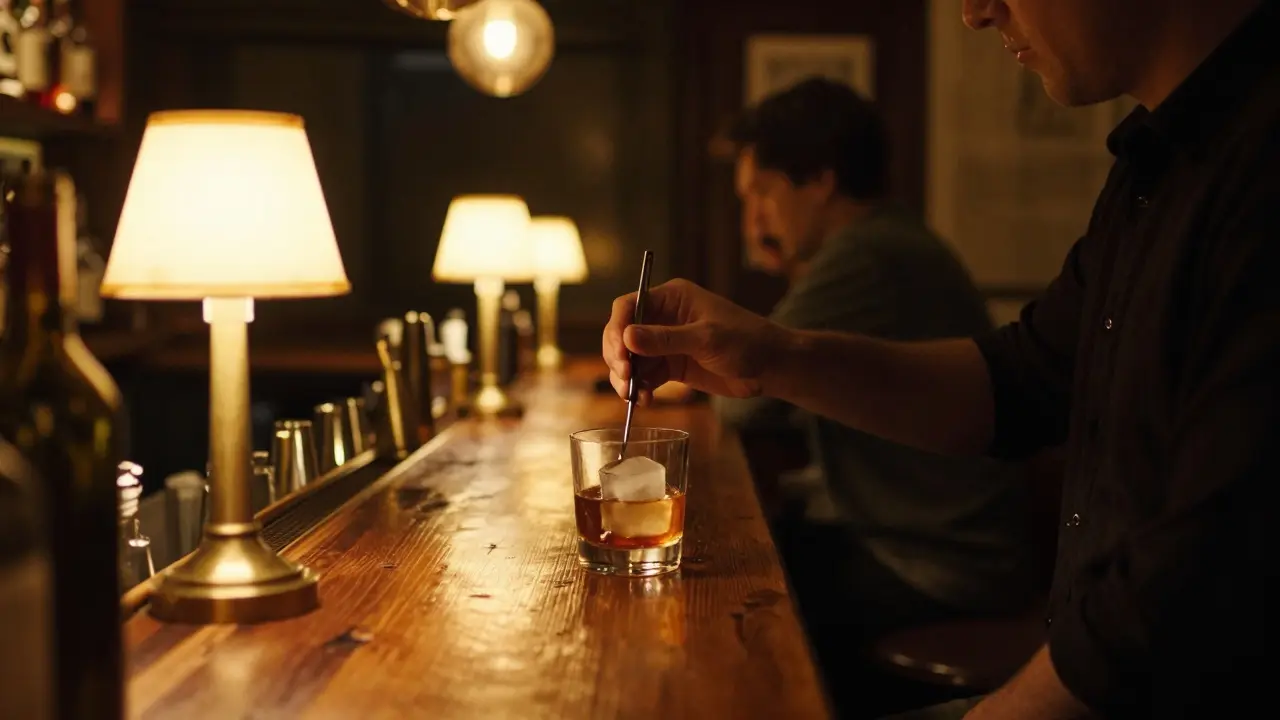
Hidden in Saint-Germain-des-Prés, Le Comptoir du Relais looks like a cozy neighborhood bistro from the outside. Inside, it’s a temple of classic cocktails with a modern soul. The bar is narrow, lit by warm brass lamps, and lined with wooden stools worn smooth by decades of patrons. No menu. Just a quiet conversation with the bartender, who will ask what you’re in the mood for-bold, sweet, bitter, or light-and craft something perfect. Their Old Fashioned uses a house-made demerara syrup and a single, perfectly clear cube that melts slowly, releasing flavor without diluting the spirit. It’s not the fanciest bar in Paris, but it’s the most honest. Locals come here after dinner. Tourists who find it leave changed.
Bar Hemingway at Hôtel Ritz Paris
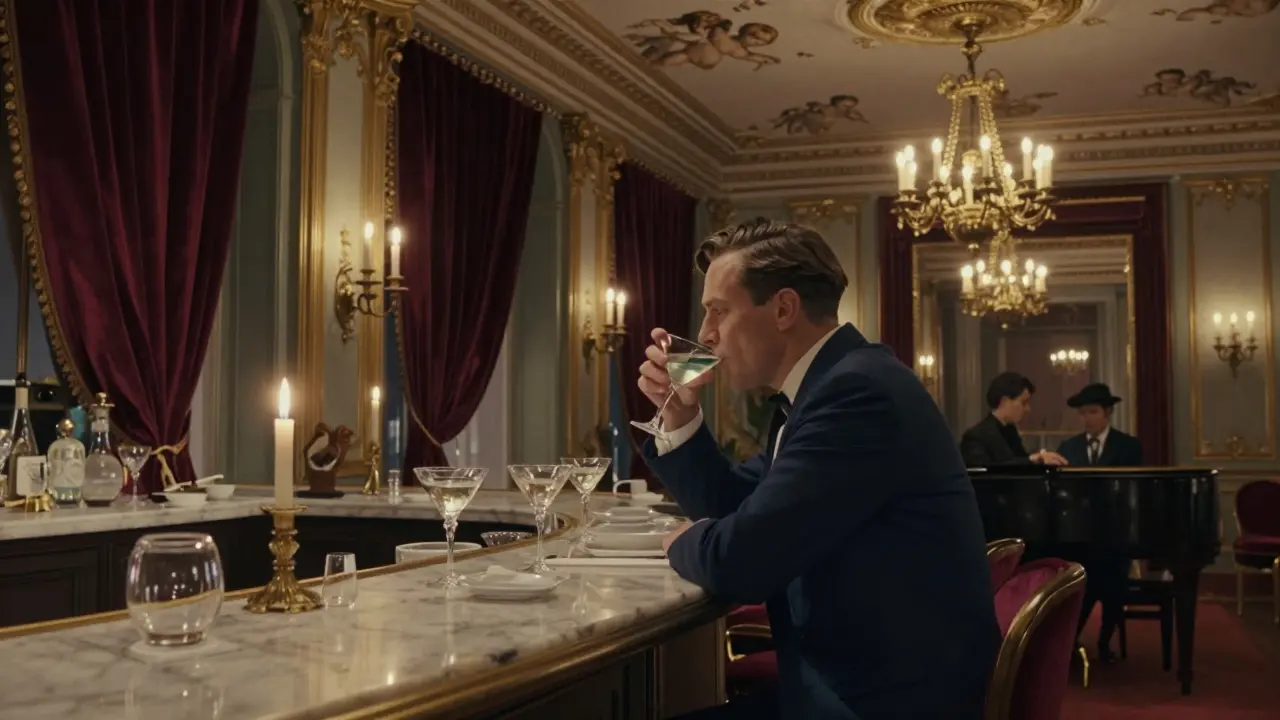
If elegance had a name, it would be Bar Hemingway. Tucked inside the legendary Hôtel Ritz, this space feels like stepping into a 1920s literary salon. Velvet curtains, gilded mirrors, and a ceiling painted with cherubs set the tone. Ernest Hemingway once drank here, and the bar still serves his favorite: the Dry Martini, made with gin from a 1950s bottle and stirred for exactly 27 seconds. The service is silent, precise, and never intrusive. You won’t find neon signs or loud music. Instead, there’s live piano-soft, classical, barely audible-playing in the corner. A cocktail here costs €28, but you’re not paying for the drink. You’re paying for history, silence, and the feeling that you’ve been let in on a secret the world doesn’t know.
Little Red Door
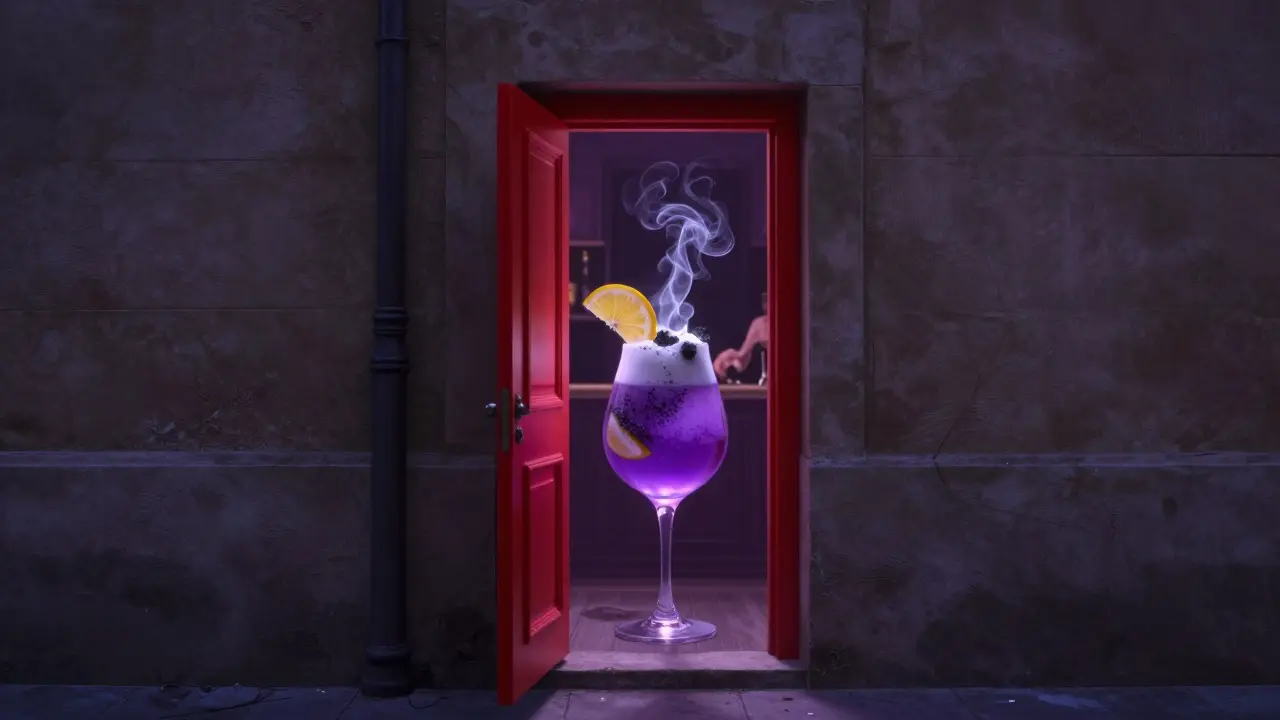
Don’t let the unmarked door fool you. Little Red Door, tucked behind a nondescript entrance in the 10th arrondissement, is one of the most influential cocktail bars in Europe. It doesn’t have a menu. Instead, you’re handed a small card with three words: “Surprise Me.” The bartender asks three questions-your mood, your favorite spirit, and one memory tied to taste-and then disappears for ten minutes. When they return, they present a drink unlike anything you’ve had. One guest got a smoked mezcal sour with yuzu and activated charcoal foam. Another received a gin-based cocktail infused with violet and black tea, served in a chilled glass shaped like a teardrop. The bar won World’s Best Cocktail Bar in 2023, and it’s still worth every euro. No reservations before 8 p.m. Walk-ins after 10 p.m. are rare-but if you get in, you’ll remember it forever.
Experimental Cocktail Club
Founded in 2007, Experimental Cocktail Club started a revolution. It was the first bar in Paris to treat cocktails like fine dining-each drink a composition, each ingredient sourced with care. Their current location, near the Palais Royal, is sleek but not cold. Wooden tables, low lighting, and a back wall lined with hundreds of bottles. Their signature drink, the Parisian, combines cognac, elderflower, lemon, and a whisper of absinthe, served with a single ice sphere that glows faintly under UV light. It’s not just a drink-it’s theater. The bartenders wear white jackets and move like chefs in a Michelin kitchen. They explain each component without jargon. You don’t need to know what a fat-washed bourbon is. You just need to taste it.
Clamato
Clamato is the quiet rebel. It doesn’t look like a luxury bar. No velvet, no chandeliers, no marble. Just a small, dimly lit room with mismatched chairs, a few plants, and a counter where the bartender works with a calm focus. But the drinks? Unbelievable. Their Smoked Negroni is aged in a cedar barrel for 72 hours, then served with a single orange twist that’s been lightly charred over a blowtorch. The smoke lingers in the air, wrapping around you like a warm blanket. They also make a Champagne Sour with egg white, lemon, and a splash of Cognac that tastes like a winter morning in Provence. Clamato doesn’t advertise. It doesn’t need to. The word spreads through whispers. If you want to feel like you’ve discovered something real, this is the place.
Le Chateaubriand Bar
Attached to the famous restaurant of the same name in the 11th arrondissement, the bar here is where chefs go after service. The space is industrial-chic-concrete floors, exposed pipes, steel stools. But the drinks? Pure poetry. The bartender, a former sommelier, treats spirits like wine. Their Parisian Spritz uses a house-made rhubarb liqueur, sparkling wine from the Loire Valley, and a touch of gentian bitters. It’s light, bitter, refreshing-perfect for a late-night walk home. They also serve a Whiskey Sour made with single malt from Islay, shaken with aquafaba instead of egg white, and garnished with a dehydrated orange wheel. It’s modern, thoughtful, and deeply French. No pretense. Just perfection.
Why These Bars Stand Out
Paris has hundreds of cocktail spots. So why do these six rise above the rest? It’s not just the ingredients. It’s the intention. Each of these bars treats the cocktail as a story-not just a mix of alcohol and sugar. They care about temperature, texture, aroma, and timing. They use local herbs, French spirits, and seasonal fruits. They train their staff like artists. And they don’t chase trends. They set them.
Compare them to tourist traps in Montmartre or Le Marais where cocktails are made from pre-mixed syrups and served with a plastic umbrella. These places don’t just serve drinks. They serve memory. The first sip of a well-made Old Fashioned in Le Comptoir. The quiet awe of Bar Hemingway’s piano. The surprise of Little Red Door’s mystery drink. These aren’t just bars. They’re moments.
When to Go
Parisian cocktail bars don’t open at 5 p.m. Like the city itself, they move to their own rhythm. Most open between 6:30 and 7 p.m. The best time to arrive? Between 8:30 and 9:30 p.m. That’s when the crowd settles in-locals, artists, travelers who know better. Arrive too early, and you’ll be the only one. Too late, and you might not get a seat. Little Red Door and Bar Hemingway require reservations weeks ahead. Le Comptoir and Clamato are walk-in only. Plan ahead, but leave room for spontaneity.
What to Order
Don’t ask for a vodka soda. You’re in Paris. Try these instead:
- Parisian Spritz at Le Chateaubriand Bar
- Smoked Negroni at Clamato
- Old Fashioned at Le Comptoir du Relais
- Dry Martini at Bar Hemingway
- Surprise Me at Little Red Door
- Parisian at Experimental Cocktail Club
Each one tells a different story. Drink them slowly. Savor them. Let the flavors unfold.
Final Thought
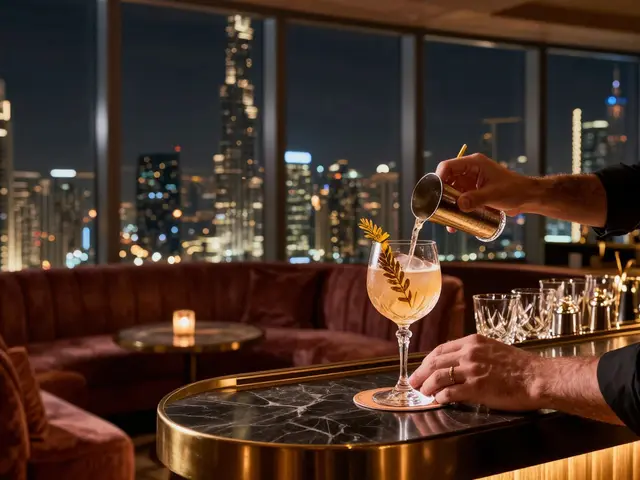
Paris doesn’t need glitter to be glamorous. Its elegance is quiet. It’s in the way a bartender pauses before pouring. In the silence between sips. In the way the city lights reflect off a crystal glass. These bars aren’t just places to drink. They’re places to feel alive. To remember what it means to slow down, to pay attention, to taste something made with care.
Are these cocktail bars expensive?
Yes, most cocktails range from €20 to €32. But you’re not just paying for alcohol-you’re paying for craftsmanship, atmosphere, and decades of tradition. A drink at Bar Hemingway or Little Red Door costs more than a bottle of wine in a regular bar, but the experience is unforgettable. For many, it’s worth every euro.
Do I need a reservation?
For Bar Hemingway and Little Red Door, yes-book at least two weeks in advance. Le Comptoir du Relais and Clamato are walk-in only, but arrive before 9 p.m. to guarantee a seat. Experimental Cocktail Club accepts reservations online, but they often have a waitlist. Always check their websites or call ahead.
What’s the dress code?
No suits required, but no shorts or flip-flops either. Think smart casual: dark jeans, a nice shirt, a blazer, or a simple dress. Bar Hemingway leans slightly more formal-many guests wear jackets. Clamato and Le Chateaubriand are relaxed but expect you to look put-together. When in doubt, overdress a little.
Can I visit these bars alone?
Absolutely. Parisian cocktail bars are some of the best places to enjoy a drink solo. The staff are trained to make solo guests feel welcome. At Le Comptoir du Relais or Clamato, you’ll likely end up chatting with the bartender or the person next to you. It’s common-and perfectly normal-to come alone.
Are these bars open on weekends?
Yes, all of them are open seven days a week. Weekends are busiest, especially Friday and Saturday. If you want a better chance at a seat, go on a Thursday or Sunday evening. The energy is still great, but the crowds are thinner.
Is there a difference between cocktail bars and regular bars in Paris?
Yes. Regular bars serve beer, wine, and pre-made cocktails. Elegant cocktail bars make drinks from scratch, using fresh ingredients, house-made syrups, and techniques like fat-washing, smoking, and barrel-aging. The focus is on flavor, balance, and artistry-not volume or speed. It’s the difference between a fast-food burger and a chef’s tasting menu.

Write a comment