


Most tourists in Milan head to the Duomo, shop at the Galleria, and call it a day. But when the sun goes down, the real city wakes up. If you want to know where Milan’s locals go after 10 p.m.-not the tourist traps, not the overpriced cocktail lounges, but the places with real energy, real music, and real people-you need to know the rules. And you need to know where to look.
Forget the Duomo After Dark
The area around the Duomo looks beautiful at night, but it’s not where you’ll find locals dancing. It’s where tour groups take photos, where hotel lobbies turn into waiting rooms, and where bouncers check your ID like you’re trying to sneak into a bank vault. You’ll pay €15 for a beer that tastes like soda water. Locals? They’re not here.
If you want to feel the pulse of Milan after midnight, you need to move. Head south. Head east. Head to the canals. The real nightlife isn’t about landmarks-it’s about neighborhoods. And each one has its own vibe, its own crowd, its own rhythm.
Navigli: The Canals That Never Sleep
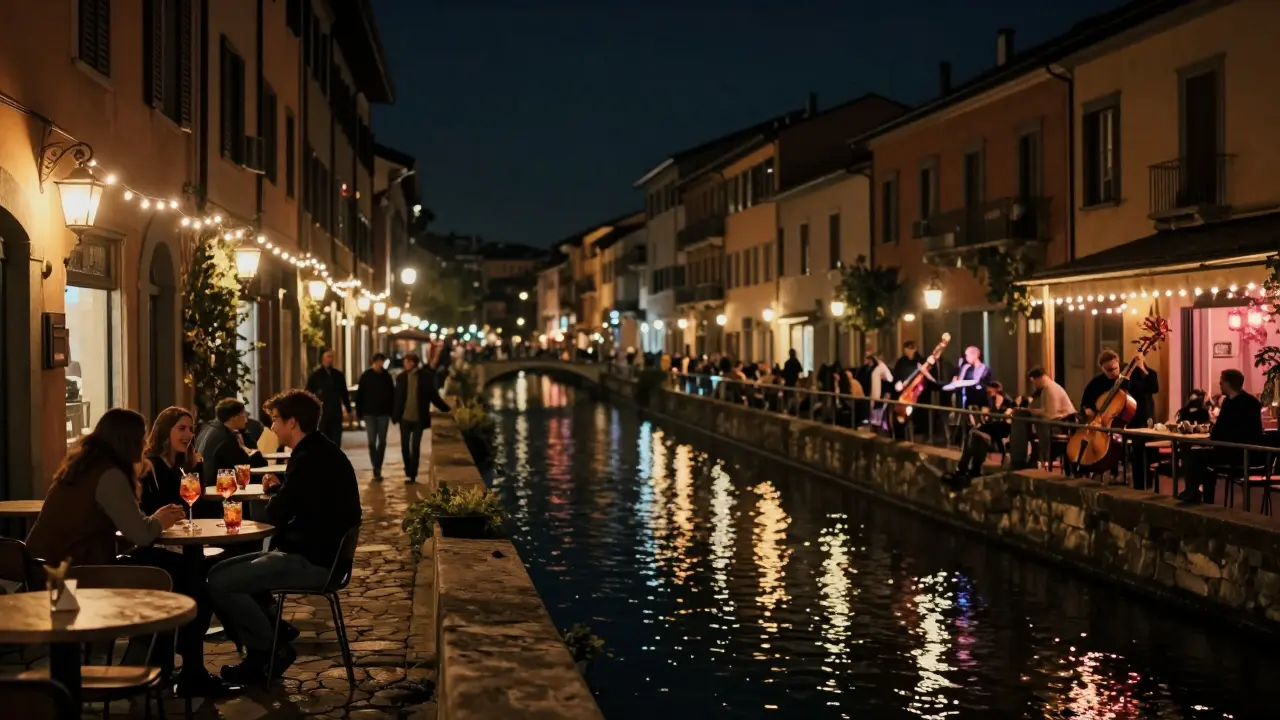
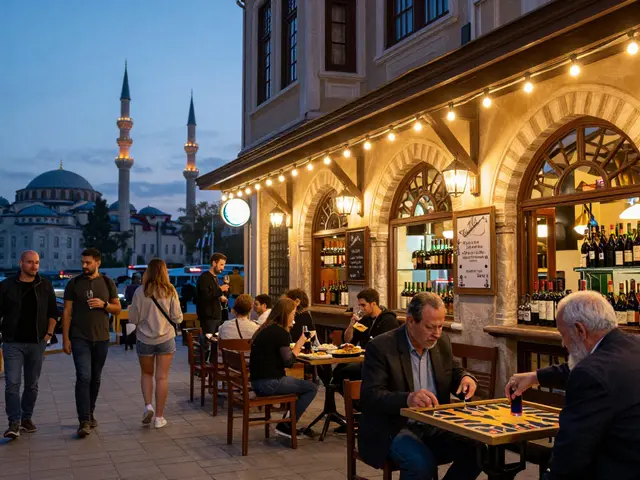
Start with Navigli. It’s not just a pretty stretch of water with old warehouses. It’s where Milan’s creative class goes to unwind. On Friday and Saturday nights, the canals turn into a living street party. Bar terraces spill onto the sidewalks. People sip Aperol spritzes under string lights. Live jazz spills out of basement venues. You’ll hear Italian, French, Spanish, and Portuguese-because this is where expats, artists, and designers gather.
The key? Skip the big names like La Baita a popular Navigli bar known for its craft cocktails and outdoor seating. Instead, wander. Look for places with no sign, just a flickering light and a line of locals leaning against the wall. That’s your spot. Try Caffè della Musica a hidden gem in Navigli with live acoustic sets and no cover charge. No menu. Just ask what’s on tap. You’ll get a local brew, maybe a Negroni made with homemade bitter, and a conversation with someone who’s been coming here for 15 years.
Brera: Where the Cool Kids Go After Dinner
Brera is the artsy cousin of Navigli. It’s quieter, more intimate, and packed with people who care about the music, not just the drinks. This is where Milan’s designers, architects, and writers go after dinner. The bars here don’t have DJs. They have vinyl records. The lighting is low. The chairs are worn. The cocktails are made slowly.
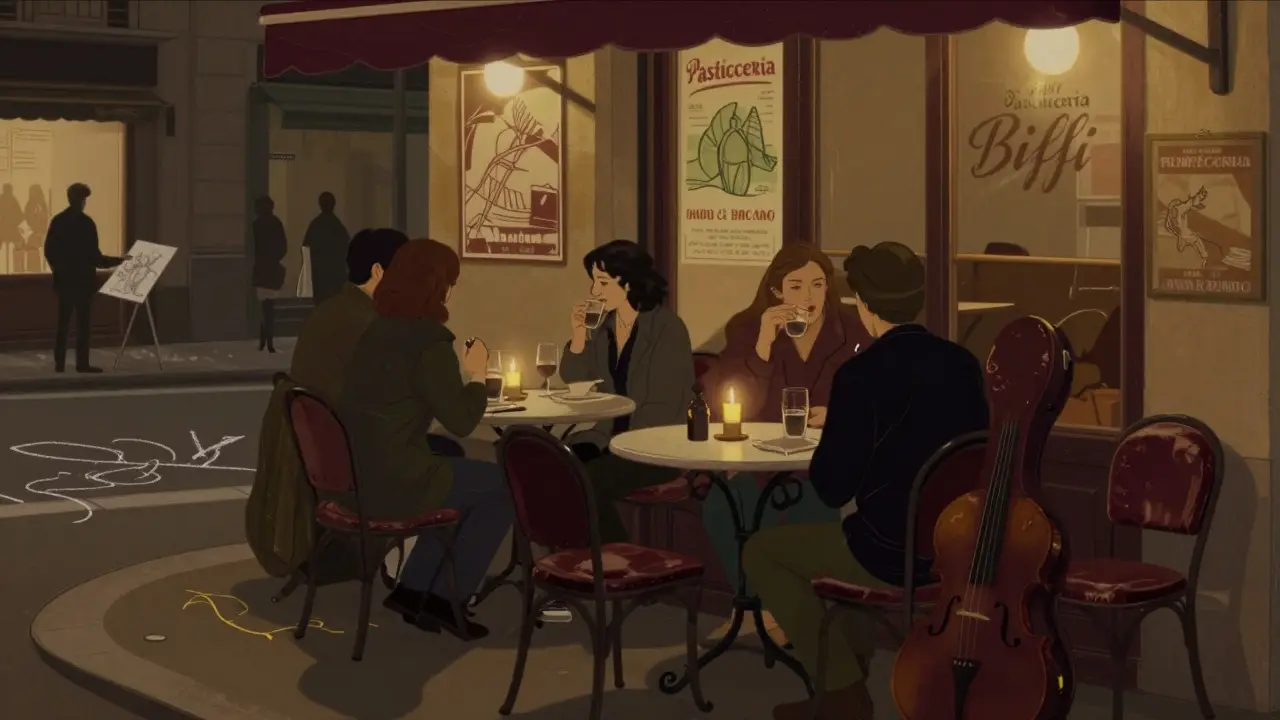
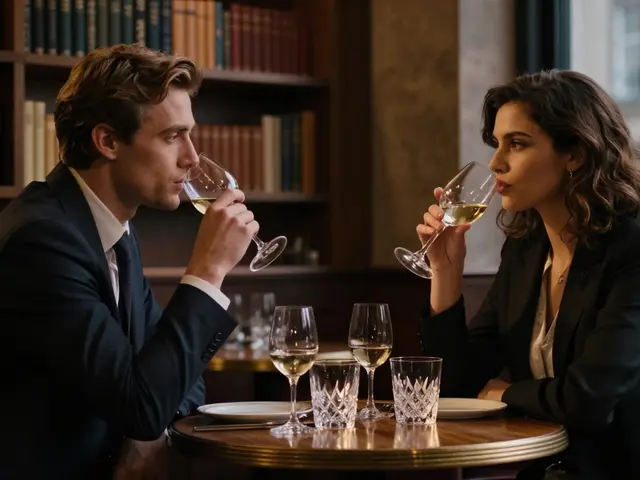
Bar Basso the birthplace of the Negroni Sbagliato, still serving it the same way since 1982 is legendary, but it’s not for everyone. You’ll wait 45 minutes. You’ll pay €18. But if you want to taste history, it’s worth it. For something more relaxed, try Caffè Pasticceria Biffi a century-old café that turns into a wine bar after 9 p.m.. Order a glass of Barolo. Sit outside. Watch the street artists set up their easels. This isn’t partying-it’s lingering. And that’s the Milanese way.
Porta Venezia: The Wild Side
If you want loud, fast, and unapologetic, head to Porta Venezia. This is where the LGBTQ+ scene thrives, where underground techno blasts from converted warehouses, and where the party doesn’t start until 1 a.m. This is not a place for dress codes. It’s a place for sweat, bass, and freedom.
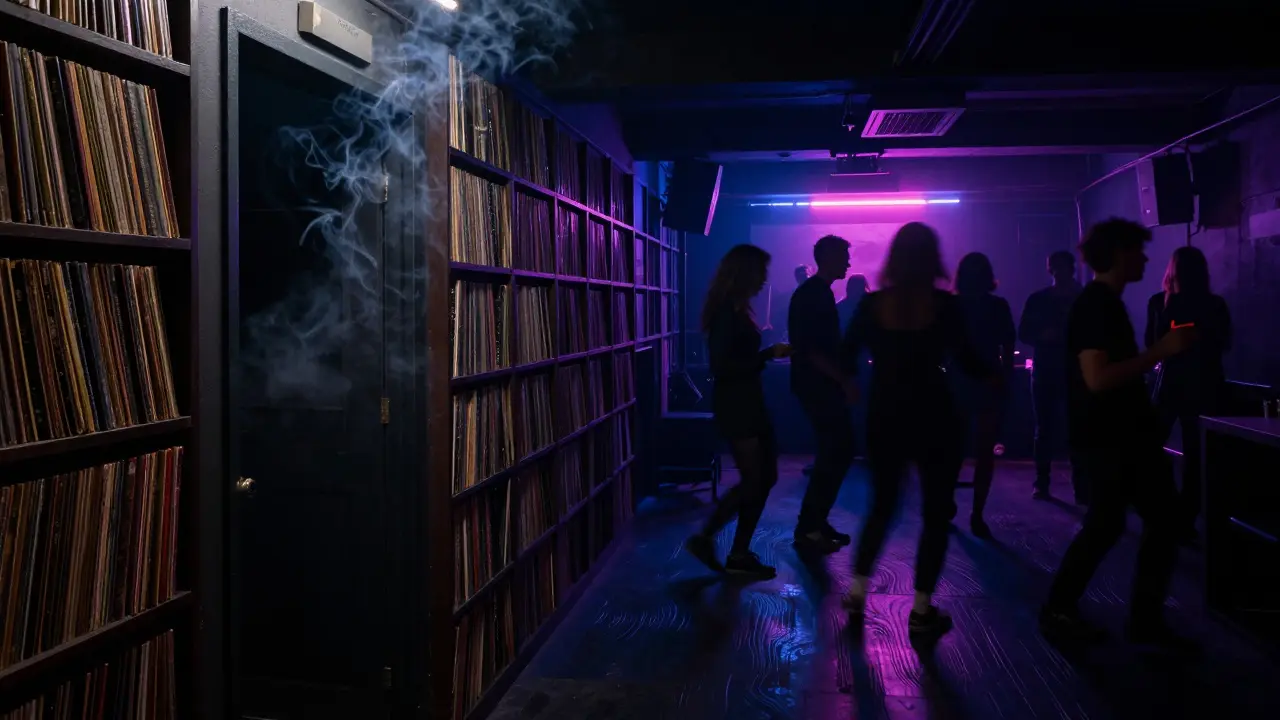
Bikini a legendary club in Porta Venezia known for its eclectic crowds and late-night parties is the name everyone knows. But the real secret? Karma a hidden club behind an unmarked door, playing rare house and techno tracks until 6 a.m.. You need a friend to get in. Or you need to be bold enough to ask the guy smoking outside. He’ll nod. You’ll walk through a hallway that smells like incense and old vinyl. Downstairs, the floor shakes. No one checks your ID. No one cares what you’re wearing. You’re just another body in the dark.
How to Actually Get In
Here’s the truth: Milanese clubs don’t care if you’re from New York or Tokyo. They care if you look like you belong. You don’t need a VIP list. You don’t need to be famous. But you do need to dress right.
Locals don’t wear hoodies to clubs. They don’t wear sneakers with suits. They wear clean lines. Dark jeans. A good shirt. Leather boots. No logos. No hats. No flip-flops. Even in summer, it’s smart casual. If you look like you just rolled out of your hotel, you’ll wait outside while a group of locals walks right in.
And don’t show up before 11 p.m. That’s when the real crowd arrives. Before that? You’re just another tourist waiting for the party to start. The bouncers know. They’ll let you in-but you’ll feel it. The energy won’t be there.
Where to Eat Before You Party
You can’t party all night on an empty stomach. Milanese locals don’t eat pizza before clubbing. They eat something light, something local. Try Ravioli al Ragù a traditional Milanese dish of stuffed pasta served in rich meat sauce at Trattoria Milanese a family-run spot in the Brera district serving authentic Milanese cuisine since 1978. Or grab a plate of Cotoletta alla Milanese a breaded veal cutlet fried in butter, a Milan specialty at Osteria del Binari a no-frills eatery near Centrale Station known for its hearty portions and honest prices.
Don’t bother with tourist menus. Look for places where the staff speaks only Italian. Look for the ones with handwritten chalkboards. The ones where the wine is poured from bottles you’ve never heard of. That’s where the real food is.
What to Avoid
There are places you should skip. Piazza Duomo bars overpriced venues catering to tourists with generic cocktails and loud EDM. The clubs near San Siro often marketed as "exclusive" but filled with fake IDs and bored staff. Night markets near Porta Garibaldi tourist traps with overpriced gelato and fake artisanal goods.
And never, ever go to a club that charges €50 to get in. That’s not exclusivity-that’s a scam. Milanese clubs charge €10 to €15. Maybe €20 if it’s a special guest DJ. Anything more? You’re being ripped off.
The Unwritten Rules
There are no rules written down. But everyone knows them.
- Don’t take photos inside clubs unless you’re asked. It’s rude.
- Don’t ask for the menu. Just say, "Cosa consiglia?" (What do you recommend?)
- Don’t talk loudly on your phone. You’ll be ignored.
- Don’t rush. Milanese nights last until dawn. If you’re tired at 2 a.m., you’re doing it wrong.
- Always pay with cash. Many small bars don’t take cards after midnight.
The biggest rule? Don’t act like you’re on vacation. Act like you live here. Smile at the bartender. Say "grazie" when they hand you your drink. Ask someone what they’re drinking. They’ll tell you. And then you’ll know where to go next.
When to Go
Weekends are packed. But if you want to feel the real pulse, go on a Wednesday. That’s when the locals test new spots. That’s when the DJs try new tracks. That’s when the energy is raw, not rehearsed.
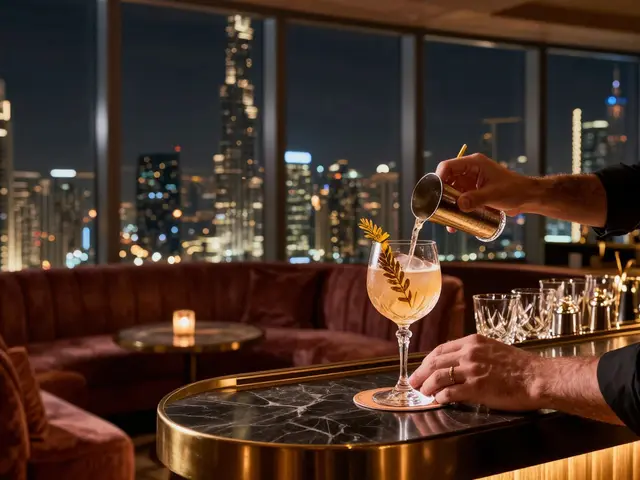
And don’t forget the seasons. In summer, the rooftop bars like Terrazza Aperol a popular rooftop bar with panoramic views of the city skyline are buzzing. In winter, the underground clubs thrive. The colder it gets, the louder the music becomes.
Final Tip: Walk, Don’t Uber
Milan’s nightlife isn’t about hopping from club to club in a car. It’s about walking. Between Navigli and Brera? It’s a 20-minute stroll. Between Porta Venezia and the Canals? You’ll pass three bars you didn’t know existed. That’s how you find the real ones.
Take your time. Let yourself get lost. The best night in Milan isn’t planned. It’s stumbled upon.
What time do clubs in Milan usually open?
Most clubs don’t really get going until 11 p.m. or midnight. The real crowd arrives after 1 a.m. If you show up at 9 p.m., you’ll be the only one there. Locals treat nightlife like dinner-it’s an event that starts late and lasts long.
Is Milan nightlife safe for solo travelers?
Yes, especially in Navigli, Brera, and Porta Venezia. These areas are well-lit, walkable, and full of people. Avoid isolated alleys after 3 a.m., but the main streets are fine. Locals are friendly and will help if you look lost. Just don’t flash expensive gear.
Do I need to speak Italian to enjoy Milan’s nightlife?
Not fluently, but knowing a few phrases helps. Saying "Grazie," "Cosa consiglia?" or "Un altro, per favore" makes you stand out. Most bartenders speak English, but they’ll remember you if you try. It’s not about perfection-it’s about effort.
What’s the dress code for Milan clubs?
Smart casual. No hoodies, no sneakers, no baseball caps. Dark jeans, a button-down shirt, leather shoes. Women wear dresses or tailored pants. It’s not about being fancy-it’s about being intentional. Locals dress to feel confident, not to impress.
Are there any free nightlife options in Milan?
Yes. Navigli has free live music on weekends near the bridges. Brera’s piazzas host open-air jazz on Thursday nights. Some bars offer free aperitivo with your first drink between 7 and 9 p.m. It’s not a buffet, but you’ll get snacks, olives, and maybe a sandwich. That’s the Milanese way: quality over quantity.
Write a comment