


Most tourists in Paris stick to the same few spots: Le Marais bars, Montmartre jazz clubs, and the neon glow of Pigalle. But the real Paris night doesn’t start until you step away from the postcards. Somewhere between a back-alley wine cellar in the 11th and a rooftop jazz lounge above Canal Saint-Martin, you’ll find the city’s soul-quiet, unpolished, and alive.
Forget the Tourist Bars
The places with English menus and bouncers checking IDs at 11 p.m. aren’t where Parisians go to unwind. They’re where visitors take selfies. Real Paris nightlife doesn’t advertise. It doesn’t need to. The best spots are found by asking the barkeep at your favorite café where he goes after closing. Or by noticing which alley has a single flickering light and no sign.
Take Le Baron in the 16th. It’s not hidden, but it’s not for tourists either. You won’t find it on Google Maps unless you know to search for its exact address. Inside, it’s dim, loud, and packed with artists, musicians, and fashion students. No velvet ropes. No cover charge before midnight. Just a door that opens when someone you know waves you in.
The Wine Cellar Bars of the 11th Arrondissement
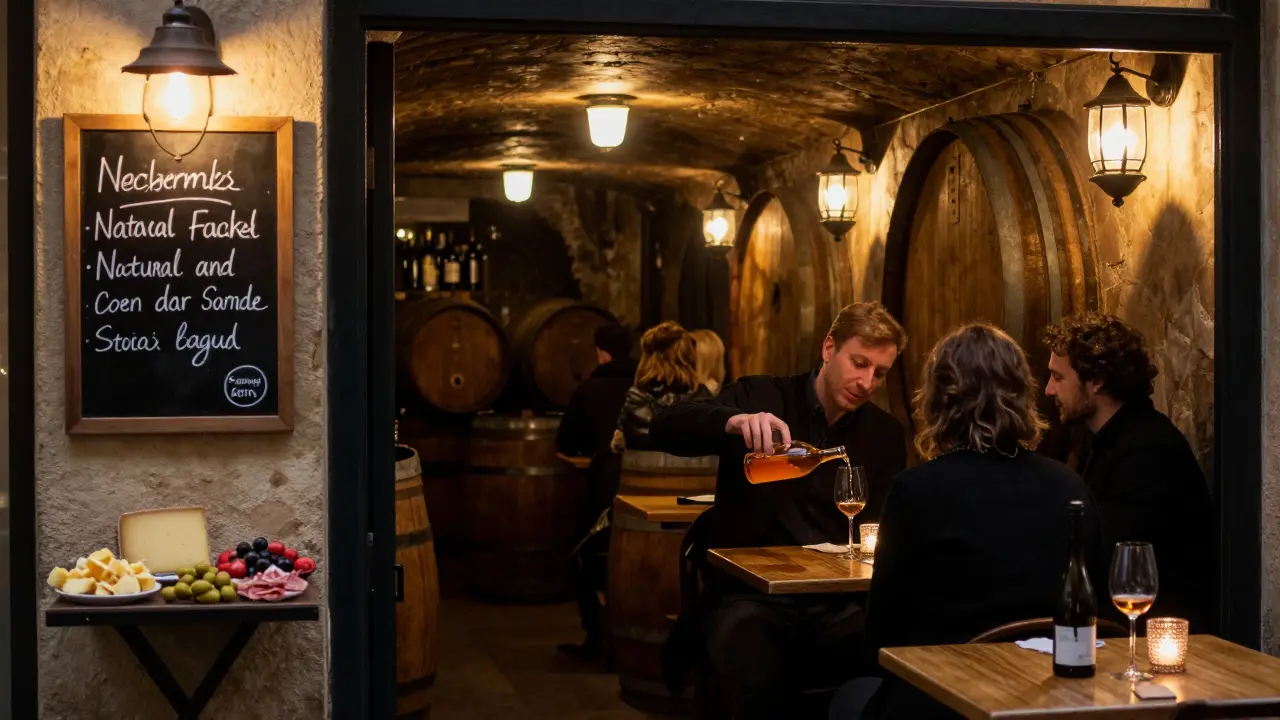
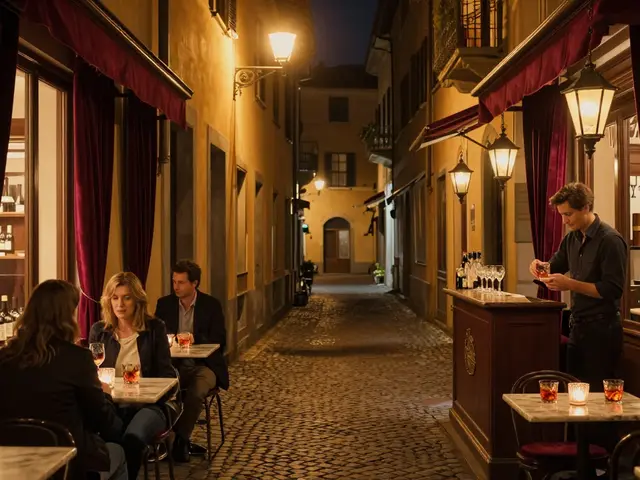
Walk down Rue de la Roquette after 10 p.m. and you’ll hear laughter from behind unmarked doors. These aren’t restaurants. They’re wine bars that double as living rooms. Le Bar à Vin has no website. No Instagram. Just a chalkboard outside with the day’s natural wines and a list of snacks-aged cheese, charcuterie, olives. The owner, Sophie, pours you a glass and asks where you’re from. If you’re honest, she’ll pull out a bottle from her personal stash. One sip of that orange wine from the Jura, and you’ll understand why locals call this place the city’s best-kept secret.
Another gem: Le Verre Volé. It’s tiny. Only six stools. The wine list changes weekly. The owner used to work at a Michelin-starred restaurant in Lyon but quit to open this place because he wanted to serve wine people actually drank, not wine people paid for. You’ll find locals here at 1 a.m., arguing about biodynamic grapes, their coats still on because the heater’s broken.
Secret Rooftops and Underground Jazz
Paris has more jazz clubs than Berlin, but only three of them are listed in travel guides. The rest? You need a password.
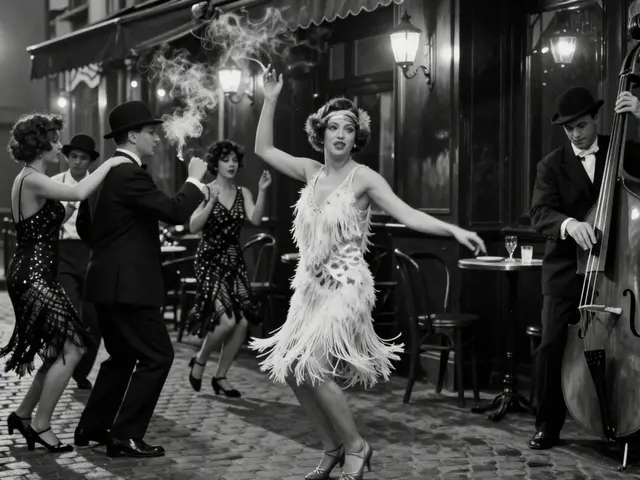
Head to Le Caveau de la Huchette in the Latin Quarter. It’s old. It’s loud. It’s been running since 1951. The band plays swing and bebop until 4 a.m. No one claps between songs. You just let the music sink in. The air smells like cigarette smoke and old wood. It’s not fancy. But it’s real.
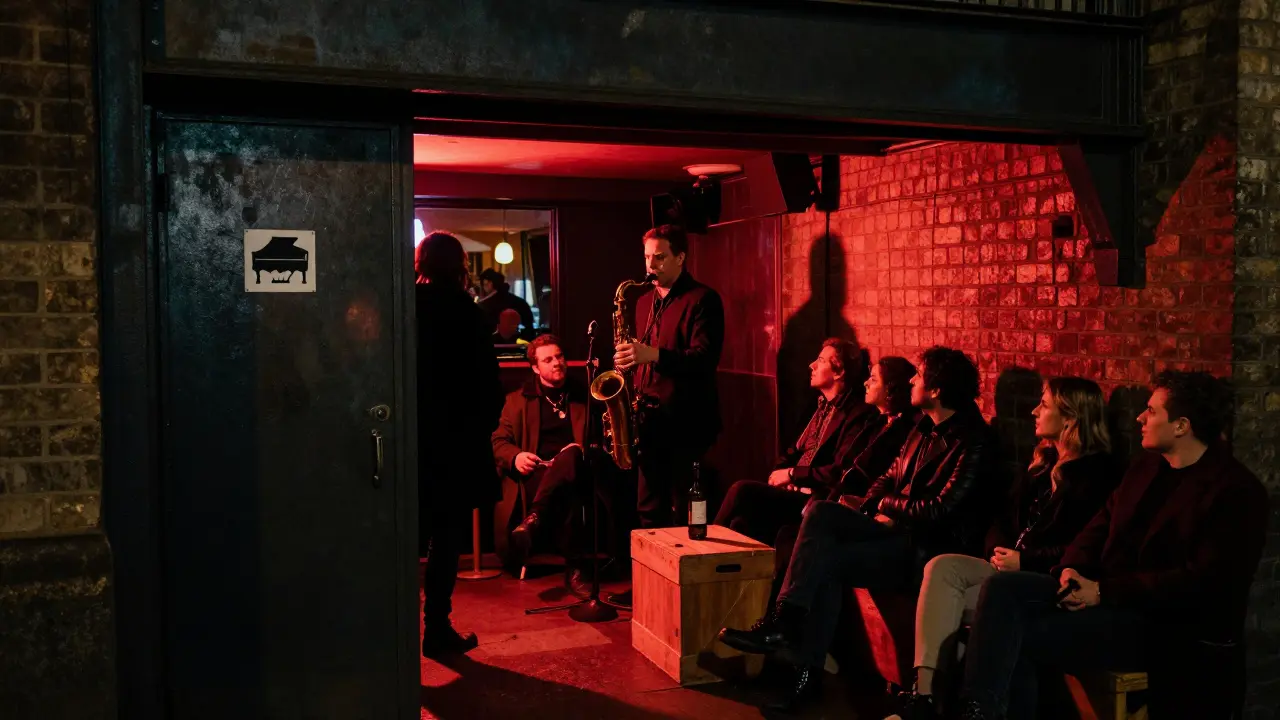
Then there’s Le Plongeoir-a hidden jazz spot tucked under a bridge near Gare du Nord. You enter through a metal door marked only with a small piano icon. Inside, it’s warm, dim, and full of saxophonists who play for tips. The owner, Malik, doesn’t take reservations. He just lets people in as they arrive. If you show up at 11:30 p.m., you’ll get a seat. If you show up at midnight, you’ll stand. And you won’t mind.
The 24-Hour Coffee Shops That Turn Into Bars
Paris isn’t a city that sleeps. It just changes outfits.
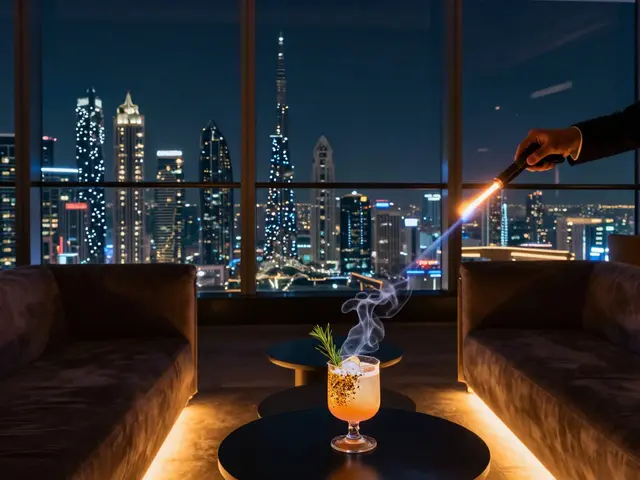
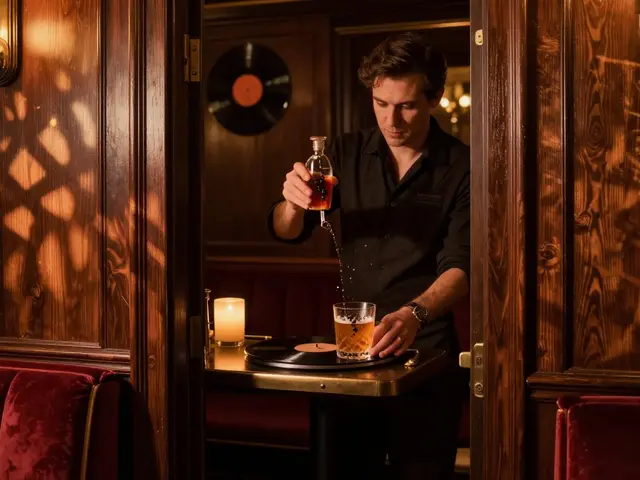
At 3 a.m., the coffee shops in Belleville turn into cocktail bars. Le Peloton opens its doors at 11 a.m. for espresso and croissants. By 2 a.m., it’s serving mezcal negronis and smoked salt dark chocolate bites. The same baristas who made your latte now shake your drink with a smile. No one bats an eye. It’s normal here.
Another favorite: Bar du Marché in the 20th. It’s a grocery store by day. By night, it’s a wine bar with tables made from old crates. Locals bring their own bread. The owner keeps a basket of free cheese. You pay for wine. Everything else is just how things are done.
Where to Find the Real After-Hours Scene
Paris doesn’t have clubs that stay open until 6 a.m. like Berlin. But it has something better: spontaneous gatherings.
On weekends, people meet at La Bellevilloise after midnight. It’s a former workers’ club turned cultural center. You can dance to house music in the main hall, then slip into a back room for acoustic sets. No bouncers. No dress code. Just people who love music.
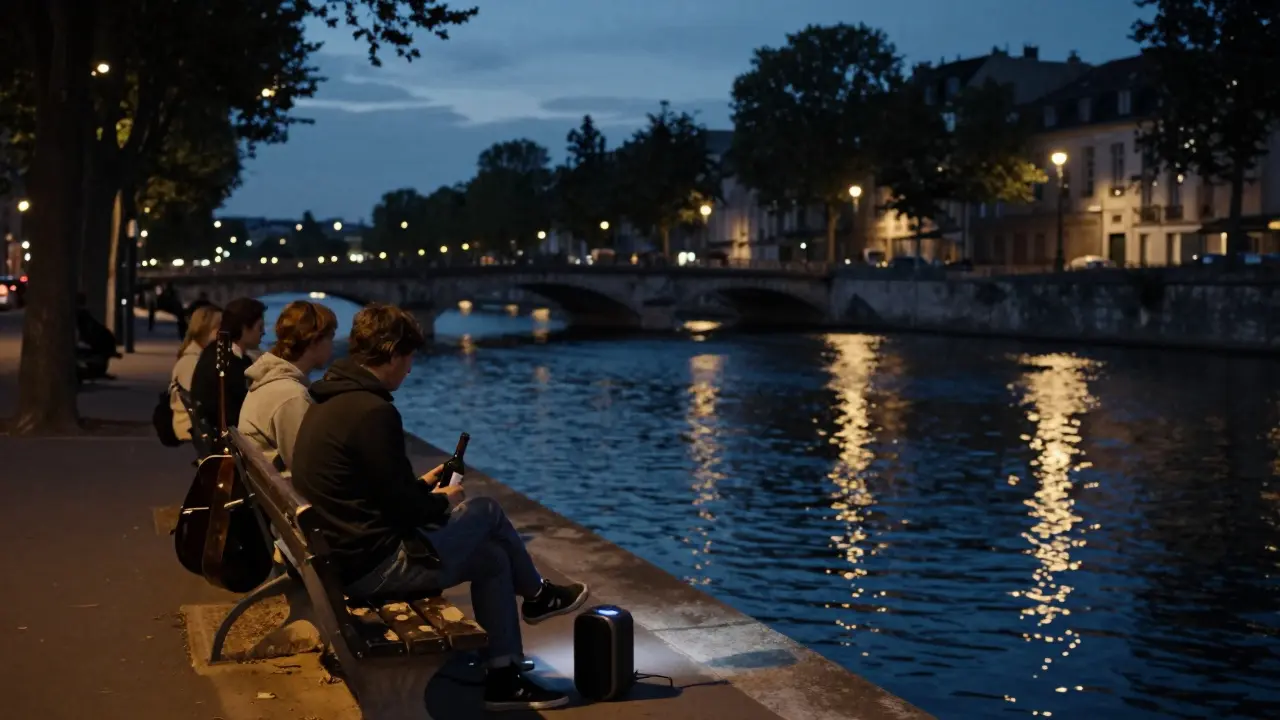
Or head to the Canal Saint-Martin after 2 a.m. Walk along the water. You’ll see people sitting on benches with bottles of wine, sharing stories. Someone will start playing guitar. Someone else will pull out a boombox. Before long, there’s a crowd. No one knows who started it. No one cares.
What to Know Before You Go
- Carry cash. Many hidden spots don’t take cards. A 20-euro bill covers a bottle of wine and a snack.
- Don’t ask for a menu. Ask what’s good today. The answer will surprise you.
- Arrive early. The best spots fill up fast. Show up at 10:30 p.m., not midnight.
- Be quiet. Parisians don’t shout to be heard. They lean in. So should you.
- Don’t rush. A night out here isn’t about checking boxes. It’s about lingering.
When to Go
Weekends are crowded, but worth it. Midweek? Even better. Tuesday and Wednesday nights are when locals let their guard down. You’ll find fewer tourists, more real conversations, and bartenders who remember your name by the third round.
Summer nights are long. Winter nights are colder-but the warmth inside is better. January is quiet. That’s when the real insiders come out. No crowds. No noise. Just the city breathing.
What Not to Do
- Don’t ask for a “party” bar. Parisians don’t use that word.
- Don’t take photos inside without asking. Many places are private.
- Don’t complain about the noise. It’s part of the charm.
- Don’t try to find these places on TripAdvisor. You’ll miss them.
The magic of Paris nightlife isn’t in the neon signs or the VIP lists. It’s in the quiet moments-when a stranger hands you a glass of wine, when the music stops and someone starts singing off-key, when you realize you’ve been talking for three hours and it’s almost sunrise.
That’s the Paris no one sells in brochures. And that’s the one worth finding.
Are Paris nightclubs safe for solo travelers?
Yes, especially the hidden spots. Parisian nightlife is generally safe, but the quieter venues are even more so. Locals look out for each other. If you’re alone, sit at the bar, not in a corner. Avoid places that feel overly touristy or pushy. The best spots are welcoming but never loud or aggressive.
Do I need to speak French to enjoy Paris nightlife?
Not fluently, but a few phrases help. Saying "Bonjour," "Merci," and "Qu'est-ce que vous recommandez?" (What do you recommend?) goes a long way. Most bartenders speak English, but they appreciate the effort. Many of the best places are run by people who’ve lived in Paris their whole lives-they don’t expect tourists to know the rules. Just be polite, and you’ll be treated like family.
What’s the best time to start a night out in Paris?
Start around 9:30 or 10 p.m. Parisians don’t rush. Dinner comes first, then drinks. If you show up at 8 p.m., you’ll be the only one there. If you wait until midnight, you’ll miss the early crowd that makes the night feel alive. The real energy builds between 10:30 and 1 a.m.
Can I find vegan or vegetarian options in hidden Paris bars?
Absolutely. Many of the wine bars and late-night spots now offer plant-based snacks-roasted beets, hummus with sourdough, walnut pâté. Ask for "plats végétariens" or "sans viande." Places like Le Verre Volé and Bar du Marché have always been quiet about dietary needs because they focus on fresh, simple ingredients. You won’t find labeled menus, but you’ll find options.
Is there a dress code for hidden Paris nightlife spots?
No. Not really. Parisians dress for comfort, not status. You’ll see people in jeans, boots, sweaters, even hoodies. No one wears suits or heels unless they’re going to a concert or event. The only rule: don’t look like you’re trying too hard. If you’re overdressed, you’ll stand out. If you’re underdressed, no one will notice.
Write a comment