


Most tourists in Berlin stick to the same few streets: Brandenburg Gate, the Reichstag, Checkpoint Charlie, and the East Side Gallery. They snap photos, buy pretzels, and leave. But if you’ve spent more than a day here - or if you’re someone who knows the city’s rhythm better than the guidebooks - you’ve learned that Berlin doesn’t reveal itself in monuments. It whispers in alleyways, in basement bars, and in the quiet corners where locals breathe.
Where the locals go when the tourists leave
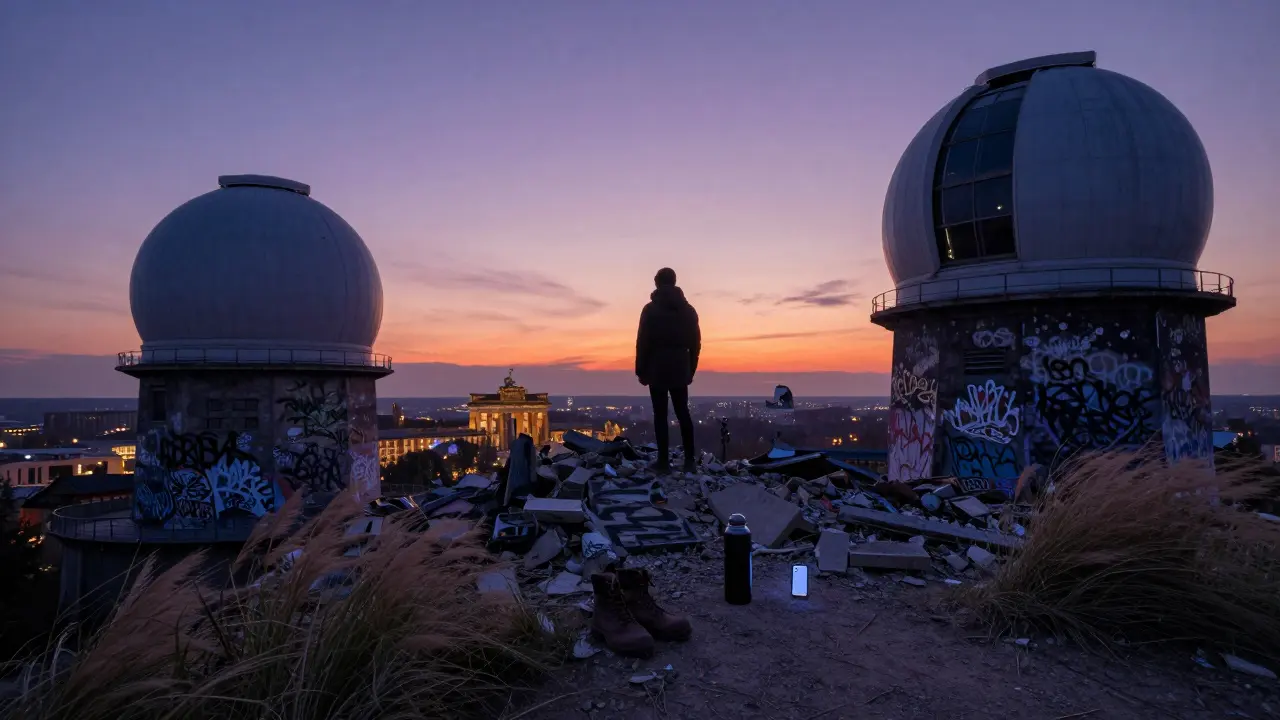
Head to Teufelsberg after sunset. It’s not on any official map. This abandoned NSA listening station sits on a hill made of crushed Berlin rubble from WWII. Climbing the gravel path at dusk, you’ll pass graffiti-covered radar domes and the occasional artist sketching in the cold. At the top, the view stretches across the city - no crowds, no signs, just silence broken by distant train whistles. Locals come here for stargazing, for quiet drinks in thermoses, or just to feel like they’re the last people left in the city.
Don’t expect a sign. Don’t expect a ticket booth. You’ll know you’re in the right place when you see the broken fence and the faint glow of a phone light near the old control tower.
The hidden beer garden that doesn’t exist on Google Maps
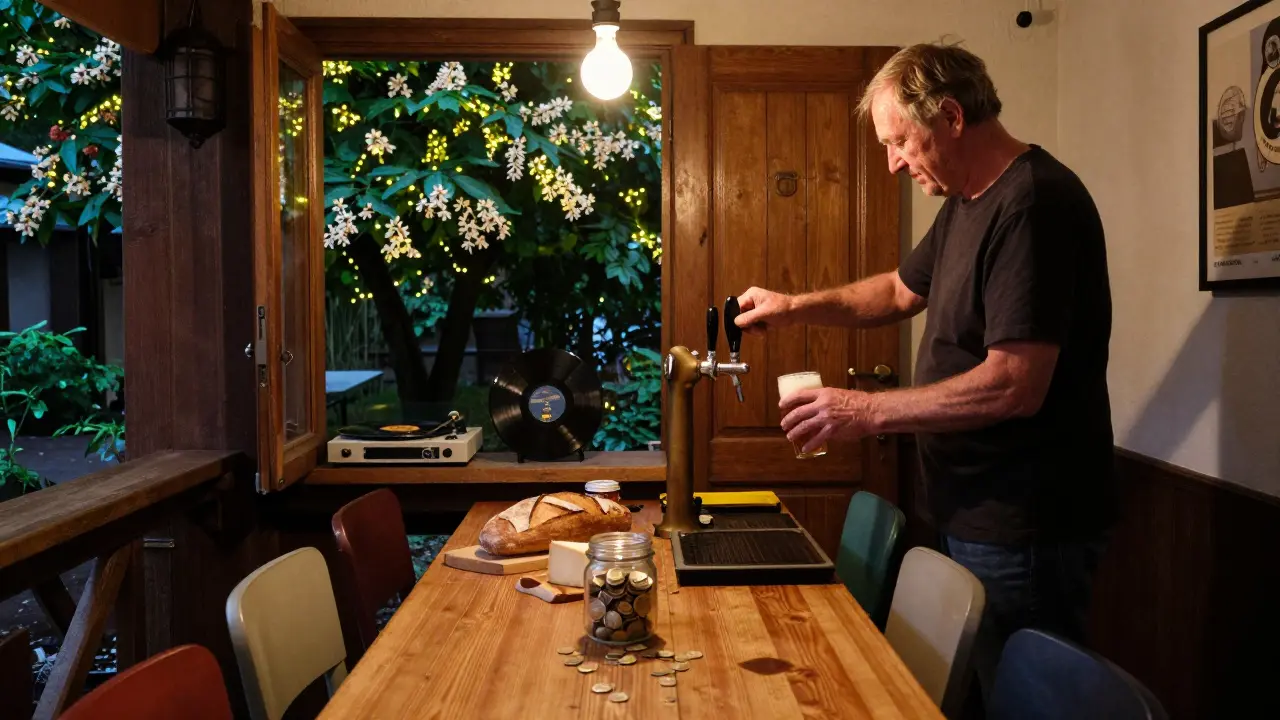
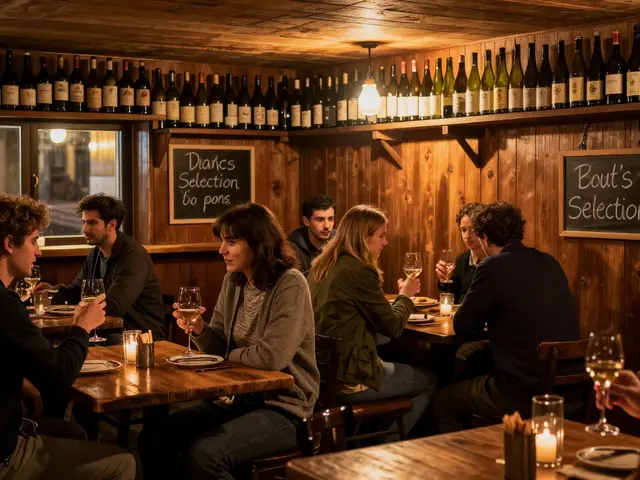
There’s a place in Neukölln called Wirtshaus am See. You won’t find it unless someone tells you. It’s tucked behind a laundromat on a street with no name on the signs. The entrance is a wooden door with a bell. Inside, there’s a single long table, mismatched chairs, and a man named Klaus who pours his own lager from a tap he installed in 1987. No menu. No Wi-Fi. Just beer, pickled eggs, and stories about the Berlin Wall coming down. Locals bring their own food - a loaf of bread, some cheese, a bottle of wine. You pay by putting cash in a jar. It’s open only on weekends, and only if Klaus feels like it.
Ask for the “secret garden” at the back. It’s not marked. But if you walk past the shed with the broken swing, you’ll find a patch of grass under chestnut trees where people play vinyl records on a portable speaker. No one ever asks who you are. No one cares.
The bookshop that only opens for strangers
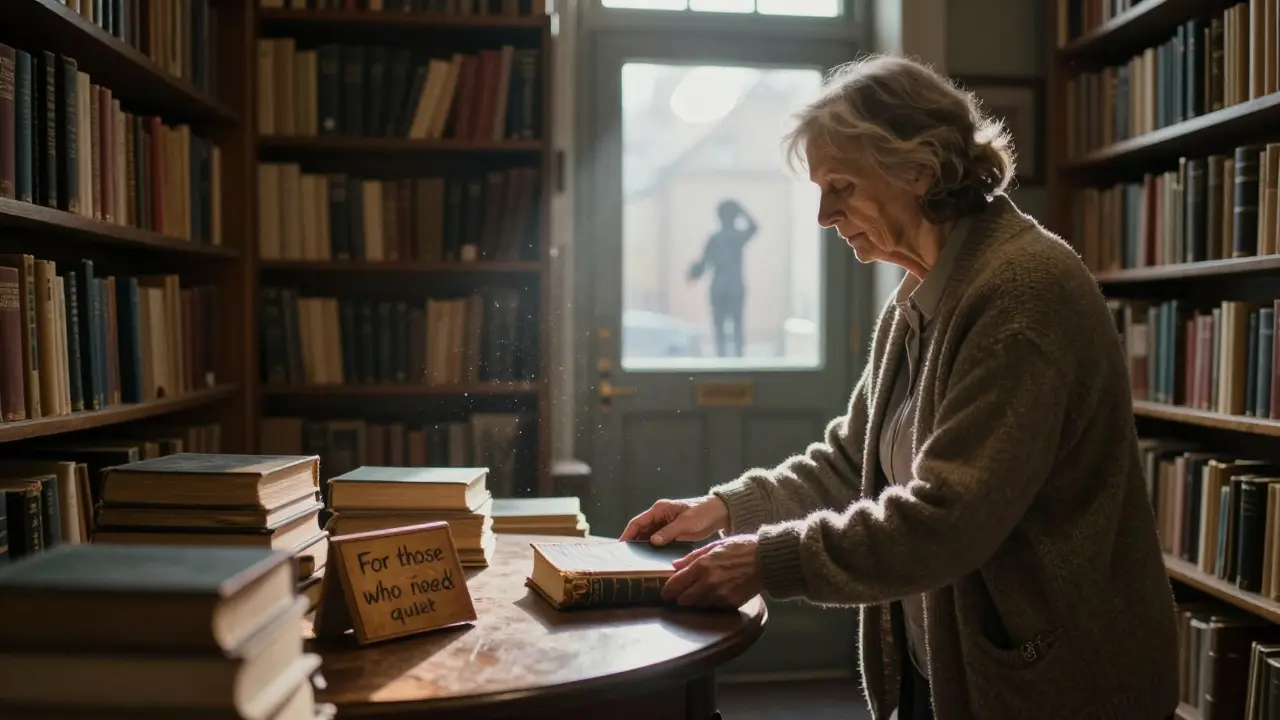
On the edge of Prenzlauer Berg, tucked between a vegan bakery and a locksmith, is Buchhandlung der Stille. It looks like a closed shop. No sign. No lights. But if you knock three times - slow, then two quick - the door opens. Inside, it’s a library of forgotten books: old East German poetry, out-of-print travel journals from the 1950s, handwritten letters from soldiers. The owner, a woman in her 70s, doesn’t sell anything. She lends. You take one book. You return it in three weeks. Or you don’t. She never asks. But if you leave a book behind - something you loved - she’ll smile and tuck it into the shelf with a note: “For the next stranger.”
She doesn’t speak English. You don’t need to. The books do the talking.
The midnight tram that goes nowhere
After 2 a.m., the U-Bahn stops. But the tram line 21 still runs. Not to anywhere important. It loops around the outer edges of the city - past empty construction sites, abandoned train yards, and a single streetlamp outside a closed ice cream shop that’s been shut since 2012. The driver knows everyone by name. He’ll let you ride for free if you tell him where you’re from. He once drove a woman from New Zealand to the edge of the forest and waited for her to come back. She didn’t. He didn’t mind.
Bring a jacket. It’s cold. Bring silence. That’s the only fare that matters.
The rooftop garden no one talks about
On the top floor of a 1920s apartment building in Charlottenburg, there’s a garden. Not the kind with manicured hedges. This one has wildflowers, a rusted bathtub filled with water lilies, and a hammock strung between two old birch trees. The tenants share it. No key. No rules. You just show up. Sometimes there’s tea. Sometimes there’s music. Sometimes there’s just someone reading under the stars.
The only sign is a small wooden plaque that says: “For those who need quiet.” You don’t need an invitation. You just need to be still.
Why these places matter
Berlin isn’t about what you see. It’s about what you feel. The city doesn’t sell experiences. It offers moments - quiet, unpolished, real. These aren’t attractions. They’re invitations. To slow down. To listen. To be forgotten by the map.
Most people come to Berlin looking for history. But the real history isn’t in the museums. It’s in the hands of the woman who lets you borrow a book. In the silence between the tram’s stops. In the way the light hits the graffiti on Teufelsberg just before the sun sets.
You don’t need a guide. You just need to wander - and let the city find you.
What to bring
- A warm coat - Berlin nights are colder than they look
- A small notebook - for names, addresses, or just scribbles
- Cash - most of these places don’t take cards
- Patience - nothing here runs on schedule
- Respect - these spaces aren’t for Instagram. They’re for being human
When to go
Spring and autumn are best. The light is soft. The crowds are thin. Winter works too - if you like cold silence. Summer? Avoid it. The city gets loud. The hidden places disappear under tourists.
What to avoid
- Asking for directions to these places - if you don’t already know, you’re not ready
- Taking photos without asking - some spaces are sacred, not scenic
- Expecting coffee shops or Wi-Fi - these places don’t cater to convenience
- Trying to turn them into your “secret spot” to post online - if you do, they’ll vanish
Final thought
Berlin doesn’t belong to the visitors. It belongs to the ones who stay quiet, who show up without expectations, who don’t need to prove they were there. If you’re looking for something real - something that doesn’t come with a price tag or a hashtag - these are the places. You won’t find them on a tour. But if you’re patient, if you’re open, they’ll find you.
Can I visit these hidden spots as a tourist?
Yes, but not as a tourist. These places aren’t for checking off a list. They’re for being present. If you show up with your phone out, snapping photos, or asking for the “best view,” you won’t find them. If you show up quietly, respectfully, and with no agenda, they’ll welcome you.
Are these places safe at night?
Berlin is one of the safest major cities in Europe. These spots are in residential or quiet areas, not tourist zones. Teufelsberg and the tram line are well-known to locals and rarely have issues. Just use common sense: don’t go alone if you’re uncomfortable, trust your gut, and avoid flashing valuables. Most people who visit these places are quiet, respectful, and uninterested in trouble.
Do I need to pay to enter these places?
No. None of these places charge entry. Teufelsberg is public land. The bookshop lends books for free. The beer garden uses a jar for donations. The rooftop garden has no gate. You might leave money if you want to - but you don’t have to. The value isn’t in what you pay. It’s in what you take away.
Can I bring a friend or partner?
Yes - but only if they’re ready for silence. These spots aren’t for loud groups or people who want to be seen. If your friend is okay with sitting quietly, sharing a drink, or reading a book without talking, they’ll fit right in. If they’re looking for a party or a photo op, they’ll feel out of place - and so will you.
Why don’t these places have websites or social media?
Because they don’t want to be found. That’s the point. Once a place goes viral, it loses its soul. The owner of the bookshop once said, “If everyone comes, no one comes.” These places survive because they’re hidden. They’re not broken. They’re intentional.
If you’re looking for the real Berlin - the one that doesn’t sell tickets - start here. Walk slowly. Listen. Let the city breathe around you. You’ll find more than hidden gems. You’ll find peace.

Write a comment